

Defensible Space in Jamul: The Complete 2026 Homeowner and Home-Seller Guide
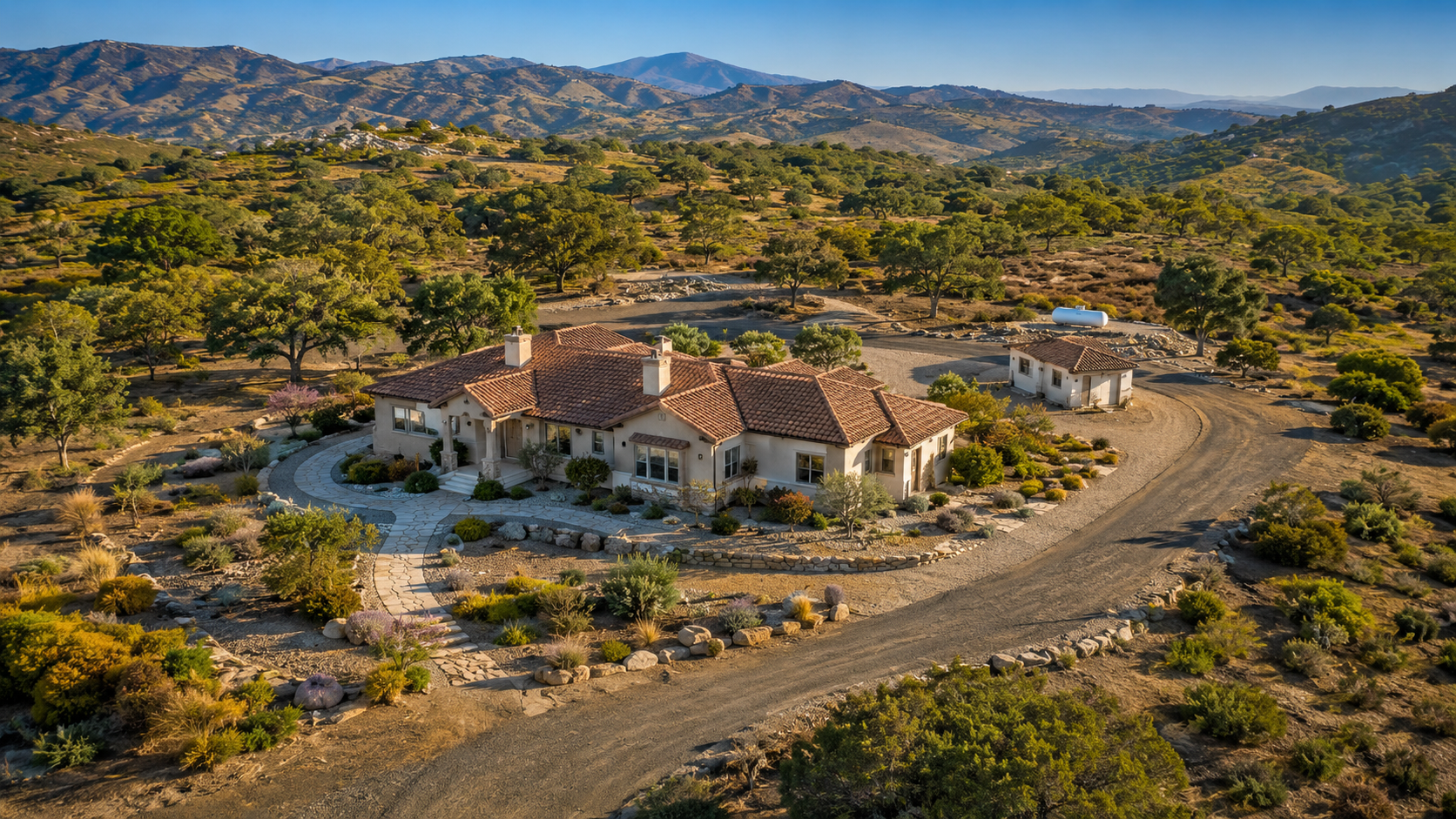
How Much Defensible Space Does a Jamul Home Need?
Most Jamul property owners should maintain up to 100 feet of defensible space around homes and other structures, or to the property line when the parcel does not extend the full distance. A local fire authority may require additional work under certain conditions.
Defensible space is not intended to create a bare dirt lot. It is a carefully maintained buffer that reduces combustible vegetation, interrupts paths fire can follow and gives a home a better chance of surviving embers, radiant heat and direct flame.
In San Diego County, the 100-foot area is commonly managed as:
- Zone 0: Zero to five feet from a structure. An ember-resistant area immediately surrounding the home. California currently recommends this zone, while statewide regulations are still evolving as of August 2026.
- Zone 1: The first 50 feet around a structure. An intensively maintained area with dead vegetation removed and live plants properly spaced, irrigated where appropriate and separated from structures.
- Zone 2: From 50 to 100 feet. A reduced-fuel area where grasses, shrubs, trees and accumulated debris are managed to reduce fire intensity.
This differs slightly from CAL FIRE’s general educational materials, which often describe Zone 1 as extending to 30 feet and Zone 2 as extending from 30 to 100 feet. California specifically advises homeowners to follow local requirements when they are more stringent. San Diego County uses two 50-foot fuel-modification zones in many applications. California fire-safety laws
Defensible space should be combined with home hardening, emergency planning, insurance review and safe access. Vegetation management alone cannot guarantee that a structure will survive a wildfire.
Defensible Space at a Glance
| Area | Distance from structure | Primary objective |
|---|---|---|
| Zone 0 | 0–5 feet | Prevent embers from igniting materials immediately beside the home |
| San Diego County Zone 1 | 0–50 feet | Maintain a lean, clean and actively managed area |
| San Diego County Zone 2 | 50–100 feet | Reduce fuel volume and interrupt fire movement |
| Property beyond 100 feet | Varies | Continue responsible land and vegetation management |
| Driveways and access roads | Route-specific | Preserve visibility, clearance and emergency access |
Exact requirements depend on the property, fire authority, approved landscape or fuel-modification plan and applicable law. Owners should confirm requirements with the fire authority having jurisdiction.
What Is Defensible Space?
Defensible space is the managed area between a building and the vegetation, landscaping, outdoor items or wildland fuels surrounding it.
Its purposes include:
- Reducing the intensity of fire near a structure
- Limiting direct flame contact
- Reducing radiant-heat exposure
- Preventing small fires from spreading through connected vegetation
- Removing places where embers can ignite
- Providing safer working space for firefighters
- Improving visibility and emergency access
The County of San Diego describes defensible space as one of the most important actions a homeowner can take to improve a structure’s chance of surviving wildfire. It can help protect the home from embers, direct flames and radiant heat. San Diego County defensible-space guidance
Defensible space does not mean that firefighters will always be able to defend a home. During extreme wildfire conditions, staffing, access, fire behavior and evacuation priorities can affect the response.
The objective is to make the property more resistant and less hazardous before a fire begins.
Why Is Defensible Space Important in Jamul?
Jamul is part of San Diego County’s wildland-urban interface, or WUI. Homes, horse properties, ranches and rural roads are interspersed with native vegetation, steep slopes, canyons and open land.
Several local characteristics make preparation especially important:
- Dry summer and fall vegetation
- Santa Ana winds
- Mature chaparral
- Grass and seasonal weeds
- Sloped parcels
- Canyon exposure
- Long driveways
- Narrow or private roads
- Propane tanks
- Detached barns and workshops
- Wood fencing
- Horsekeeping facilities
- Limited evacuation routes in some areas
- Flying embers that may travel ahead of a fire front
Wildfire hazard maps evaluate factors such as vegetation, terrain, fire history, predicted flame length, blowing embers and typical fire weather. The Office of the State Fire Marshal emphasizes that a hazard designation describes the physical potential for wildfire behavior—not the individualized risk of loss after mitigation is considered. California fire-hazard severity zones
A homeowner cannot change Jamul’s terrain or seasonal winds, but the homeowner can influence the condition of the structure and immediate property.
Understanding the Three Defensible-Space Zones
Zone 0: The Ember-Resistant Zone
Zone 0 extends from the home or structure outward approximately five feet. It also applies immediately around attached decks and stairs.
This is the area where small details can have a major effect. Windblown embers can collect against walls, beneath siding, in corners, beside doors and under combustible objects. If those materials ignite, flames are already touching the home.
As of August 2026, CAL FIRE states that Zone 0 is important but not yet a legally required statewide defensible-space zone. California’s Board of Forestry and Fire Protection has continued developing the regulatory framework. Homeowners should monitor official updates and local implementation rather than relying on outdated articles or social-media summaries. CAL FIRE defensible-space zones
Even before a legal mandate applies, creating a five-foot ember-resistant area is one of the most practical steps a Jamul homeowner can consider.
What Should Be Removed From Zone 0?
Evaluate whether the first five feet contains:
- Combustible bark or wood mulch
- Dry leaves
- Pine needles
- Dead grass
- Wood piles
- Lumber
- Cardboard
- Brooms
- Wicker furniture
- Combustible planters
- Coir doormats
- Plastic storage
- Garbage or recycling containers
- Dense shrubs
- Tree branches touching the roof
- Wood fencing connected directly to the home
The appropriate solution will depend on the item and property. Some materials can be relocated; others may need replacement with a more ignition-resistant alternative.
What Can Be Used in Zone 0?
Potential noncombustible or more ignition-resistant choices include:
- Gravel
- Pavers
- Concrete
- Masonry
- Rock
- Properly selected and maintained hardscape
- Metal components
- Carefully designed low-fuel landscaping where allowed
Do not assume that a plant marketed as “fireproof” cannot burn. Every plant can burn under sufficient conditions. Selection, moisture, spacing, maintenance and accumulated dead material all matter.
Zone 1: The Intensively Managed Area
California’s general public guidance typically calls the area from five to 30 feet Zone 1. San Diego County’s local approach commonly extends the intensively managed first zone to 50 feet.
This area should be lean, clean and maintained.
Work may include:
- Removing dead plants and weeds
- Removing fallen branches
- Cleaning leaves and needles from roofs and gutters
- Trimming branches away from the roof and chimney
- Preventing vegetation from touching the structure
- Removing combustible material from beneath decks
- Spacing shrubs and trees
- Breaking up continuous plant groupings
- Removing dead portions of otherwise healthy plants
- Keeping grass properly maintained
- Relocating firewood
- Separating combustible outdoor furniture from vegetation
- Managing vines growing on or toward the home
- Removing ladder fuels
The goal is not simply to make the yard look tidy. The goal is to interrupt the pathways through which fire can move.
Zone 2: The Reduced-Fuel Area
In the San Diego County framework, Zone 2 generally extends from 50 to 100 feet around the structure, or to the property line.
Zone 2 may contain more natural vegetation than the area closer to the home, but fuels still need to be managed.
CAL FIRE guidance includes:
- Maintaining annual grass at no more than four inches
- Creating horizontal spacing between shrubs and trees
- Creating vertical separation
- Removing dead vegetation
- Pruning lower tree branches
- Clearing around propane tanks
- Managing fallen leaves, needles and small branches
A limited layer of natural debris may be appropriate in some circumstances, but heavy accumulations should not be allowed to create a continuous fuel bed.
What Are Ladder Fuels?
Ladder fuels allow fire to climb from the ground into shrubs and then into tree canopies.
Examples include:
- Tall grass beneath shrubs
- Shrubs below low tree branches
- Vines growing into trees
- Stacked debris against vegetation
- Small trees beneath larger trees
- Dense plant layers with no vertical separation
A well-spaced landscape can contain vegetation without creating a continuous ladder.
CAL FIRE commonly recommends vertical clearance of at least three times the height of the vegetation below a tree. For example, a five-foot shrub beneath a tree may call for approximately 15 feet of clearance between the shrub’s top and the tree’s lower branches.
Actual pruning should be based on tree health, species, slope, professional guidance and applicable local requirements.
How Much Space Should There Be Between Trees and Shrubs?
There is no single spacing measurement for every plant and property.
Spacing recommendations may depend on:
- Slope
- Plant height
- Tree canopy size
- Vegetation type
- Arrangement
- Topography
- Local fuel-modification requirements
- Whether plants are grouped or isolated
- Distance from structures
Steeper slopes generally require greater spacing because fire can move uphill more rapidly and preheat vegetation above it.
Avoid using a generic online chart as a substitute for a property-specific evaluation. A local inspector, fire authority, arborist or qualified vegetation-management professional can help identify what applies.
The Difference Between Defensible Space and Home Hardening
Defensible space addresses conditions around a building. Home hardening addresses the vulnerability of the building itself.
A property can have excellent brush clearance and still be vulnerable to embers entering an attic vent. Conversely, a hardened structure can still be threatened by a wood pile or combustible fence burning directly against it.
Examples of Home-Hardening Features
- Class A roof assembly
- Ember-resistant vents
- Enclosed eaves
- Properly maintained roofing
- Dual-pane or tempered-glass windows where appropriate
- Ignition-resistant siding
- Metal gutter covers
- Noncombustible fencing immediately next to the home
- Enclosed areas beneath decks
- Weather stripping around garage doors
- Protected underfloor openings
- Ignition-resistant decks and attachments
CAL FIRE recommends treating buildings and surrounding vegetation as one connected system. CAL FIRE home-hardening guidance
A homeowner preparing for wildfire should evaluate both.
Common Defensible-Space Mistakes Jamul Homeowners Make
1. Clearing Only Once a Year
Vegetation grows back, leaves accumulate and weeds dry out. Defensible space requires continuing maintenance.
2. Starting at the Property’s Outer Edge
The first five feet around the home can be the most important area. Begin at the structure and work outward.
3. Removing Every Plant
Over-clearing can create erosion, damage slopes and encourage the growth of fast-drying weeds. The objective is thoughtful fuel management, not indiscriminate removal.
4. Leaving Dead Material Inside Green Plants
A shrub may appear healthy from the outside while containing dry leaves and branches underneath.
5. Ignoring Roofs and Gutters
A beautifully maintained yard cannot compensate for gutters filled with dry leaves.
6. Keeping Firewood Beside the House
Firewood is concentrated fuel. CAL FIRE recommends moving it into the outer zone and maintaining clearance around it.
7. Connecting Wood Fencing to the Structure
A combustible fence can carry fire directly to siding, eaves or a deck.
8. Storing Items Under a Deck
Cardboard, lumber, furniture and dry vegetation beneath a deck can create a serious ignition point.
9. Driving or Mowing During Dangerous Conditions
Outdoor power equipment can start fires. Follow current restrictions, avoid the hottest and windiest periods and keep required fire-suppression tools available.
10. Assuming Green Means Noncombustible
Irrigated vegetation can still burn. Moisture helps, but plant structure, oils, dead material and proximity also matter.
11. Forgetting Detached Structures
Garages, barns, sheds, workshops, guest houses and other structures need their own defensible-space evaluation.
12. Ignoring the Driveway
Emergency vehicles need access, and residents need a safe route to leave.
Defensible Space for Jamul Horse Properties
Horse properties require planning beyond the residence.
Evaluate:
- Barns
- Hay storage
- Shavings
- Feed rooms
- Tack rooms
- Wooden corrals
- Arenas
- Manure piles
- Trailers
- Propane tanks
- Equipment sheds
- Evacuation access
- Turnouts
- Pastures
- Water supplies
Hay and Shavings
Hay and bedding are highly combustible. Store them thoughtfully and away from ignition sources. Keep storage areas clean, ventilated and accessible.
Barns and Outbuildings
Create managed space around barns as you would around the home. Remove accumulated vegetation and combustible debris from exterior walls, roofs and gutters.
Animal Evacuation
Defensible space does not replace an animal-evacuation plan.
Horse owners should consider:
- How many animals need transport
- Number and condition of trailers
- Whether horses load reliably
- Backup drivers
- Alternate evacuation destinations
- Accessible halters and identification
- Medication and veterinary records
- Traffic constraints
- Who will act if owners are away
CAL FIRE advises owners to prepare transportation arrangements and evacuation destinations before an emergency. CAL FIRE animal-evacuation guidance
Driveways, Gates and Emergency Access
Jamul homes may have long, steep or winding driveways. Defensible space must account for how residents and emergency personnel reach the structure.
CAL FIRE recommends maintaining vegetation clearance on both sides of driveways and access roads, keeping overhead branches trimmed and making addresses clearly visible. CAL FIRE address and driveway guidance
Review:
- Driveway width
- Turnaround space
- Low branches
- Encroaching shrubs
- Gate width and operation
- Emergency gate access
- Address visibility
- Road-surface condition
- Parked vehicles
- Propane deliveries
- Bridge or culvert capacity
- Private-road responsibilities
Do not park vehicles where they could block an evacuation route or emergency apparatus.
Defensible Space Around Propane Tanks
Propane is common on rural Jamul properties. Vegetation and combustible material should be cleared around the tank according to applicable fire requirements and supplier guidance.
CAL FIRE’s Zone 2 recommendations call for approximately 10 feet of clearance around propane tanks and outbuildings with no flammable vegetation nearby.
Also evaluate:
- Wood fencing
- Storage
- Overhanging branches
- Dry grass
- Access for the propane company
- Tank protection
- Nearby generators
- Ignition sources
Do not modify or relocate a propane tank without qualified professional guidance.
Can You Remove Vegetation Beyond Your Property Line?
Generally, a homeowner should not enter a neighboring property and remove vegetation without permission or legal authority.
San Diego County explains that the required 100-foot area extends to the property line when the parcel boundary is closer. A neighboring owner may separately be required to address vegetation on that property.
If vegetation on an adjoining parcel is a concern:
- Confirm the actual property boundary.
- Speak respectfully with the neighbor.
- Document the concern.
- Contact the appropriate fire authority for guidance.
- Do not cut trees or vegetation without authorization.
- Consult an attorney if legal rights or responsibilities are disputed.
The same caution applies to open-space easements, protected habitat, riparian areas and public land. Environmental restrictions may limit vegetation removal.
Can Too Much Clearing Cause Problems?
Yes. Aggressive clearing can:
- Destabilize soil
- Increase erosion
- Damage habitat
- Violate an easement
- Harm protected plants
- Spread invasive weeds
- Damage healthy trees
- Create drainage problems
- Violate permit conditions
Responsible defensible space balances wildfire mitigation with erosion control, environmental regulations and long-term land health.
When substantial grading, tree removal or work near protected areas is proposed, obtain appropriate professional and agency guidance.
Defensible-Space Inspections When Selling a Jamul Home
California law may require documentation of defensible-space compliance in certain real estate transactions involving property in designated fire-hazard areas.
Requirements can depend on:
- The property’s mapped hazard designation
- Whether the property is in a State or Local Responsibility Area
- The applicable law
- The jurisdiction
- Timing of the inspection
- Contract terms
- Whether the buyer agrees to complete certain work after closing
- The authority responsible for inspections
Because rules and forms can change, sellers should not wait until escrow to determine whether an inspection applies.
Seller Preparation Steps
- Determine the property’s fire-hazard designation.
- Contact the appropriate fire authority.
- Review prior inspection reports.
- Walk all structures and the surrounding 100 feet.
- Remove dead vegetation and debris.
- Clean roofs, gutters and decks.
- Trim vegetation away from structures.
- Address driveway and address visibility.
- Move firewood and combustible storage.
- Schedule professional help early.
- Retain receipts and before-and-after photographs.
- Confirm any transaction-specific documentation with the real estate professionals involved.
A fire-authority inspection is different from an insurance inspection. Passing one review does not guarantee insurance eligibility, pricing or renewal.
Does Defensible Space Help With Home Insurance?
Potentially.
California’s Safer from Wildfires framework identifies mitigation actions that insurers must recognize in their rating plans. Measures include defensible-space compliance, a noncombustible five-foot perimeter, home-hardening improvements and community-level mitigation.
The California Department of Insurance states that qualifying actions can make a policyholder eligible for discounts, although the amount and availability depend on the insurer, policy and completed work. California Safer from Wildfires
A discount does not guarantee that a particular carrier will offer a policy. Homeowners should:
- Ask which mitigation actions the insurer recognizes.
- Request the documentation standard.
- Keep photographs and receipts.
- Save fire-department inspection reports.
- Ask how to appeal an inaccurate wildfire-risk score.
- Compare admitted-market and FAIR Plan options with a qualified broker.
- Review coverage limits and deductibles, not only premiums.
Do not make a costly improvement based solely on an assumed insurance discount. Confirm requirements first.
A Practical Jamul Defensible-Space Plan
Step 1: Start With the Structure
Inspect the roof, gutters, vents, eaves, siding, windows, doors and deck.
Step 2: Create a Five-Foot Ember-Resistant Perimeter
Remove dead material and evaluate combustible mulch, furniture, fencing and stored items.
Step 3: Work Through the First 50 Feet
Thin and separate vegetation, remove ladder fuels and keep branches away from structures.
Step 4: Manage the 50-to-100-Foot Area
Mow annual grasses appropriately, remove dead vegetation and create spacing based on slope and plant type.
Step 5: Address Every Structure
Repeat the process around barns, garages, sheds, guest houses, workshops and other improvements.
Step 6: Protect Access
Clear the driveway, mark the address and maintain gates and turnarounds.
Step 7: Review Propane, Generators and Wood Storage
Create appropriate separation and eliminate nearby combustible debris.
Step 8: Document the Work
Take dated photographs and retain invoices.
Step 9: Request Expert Guidance
Use the applicable fire authority, qualified contractors, arborists and insurance professionals.
Step 10: Maintain Throughout the Year
Schedule recurring inspections of the property rather than waiting for fire season.
Seasonal Defensible-Space Checklist
Late Winter and Early Spring
- Inspect storm damage.
- Remove fallen branches.
- Plan tree work before peak fire season.
- Repair irrigation.
- Identify new weed growth.
- Review access roads.
- Schedule contractors before demand increases.
Late Spring
- Mow or trim annual grasses safely.
- Remove dead weeds.
- Clean gutters and roof valleys.
- Thin dense vegetation.
- Move combustible storage.
- Inspect decks and fences.
- Photograph completed work.
Summer
- Monitor regrowth.
- Remove newly accumulated debris.
- Avoid unsafe equipment use during hot, dry or windy conditions.
- Keep evacuation routes clear.
- Review insurance documents.
- Check emergency supplies.
Fall and Santa Ana Conditions
- Remove fresh leaf accumulation.
- Keep outdoor furniture and combustible items away from the house.
- Maintain vehicle access.
- Charge communication devices.
- Keep fuel levels adequate.
- monitor official alerts.
- Be ready to evacuate early.
After Wind Events
- Inspect roofs and gutters.
- Remove branches.
- Check power lines from a safe distance.
- Report damaged utilities.
- Clear debris from access routes when safe.
Semantic Questions About Defensible Space
How far should brush be cleared from a Jamul home?
The general requirement is up to 100 feet from structures or to the property line, whichever is closer. Additional requirements may apply.
Does defensible space mean removing all vegetation?
No. It means reducing fuel, removing dead material and creating effective horizontal and vertical spacing.
Is Zone 0 legally required in California in 2026?
CAL FIRE currently describes Zone 0 as critically important but not yet legally required statewide. Regulations remain under development. Verify the latest status before publishing or beginning work.
What is the most important defensible-space zone?
All zones work together, but the first five feet can be especially important because embers commonly collect and ignite materials directly beside a structure.
How short should dry grass be?
CAL FIRE’s Zone 2 guidance calls for annual grass to be maintained at no more than four inches. Use safe mowing practices and follow local requirements.
Should trees be removed?
Not automatically. Healthy, properly spaced and maintained trees can remain. Removal decisions should consider species, health, location, canopy spacing, slope and professional advice.
Can I use wood mulch next to my home?
Combustible mulch in the first five feet can provide fuel for embers. Gravel, pavers or other noncombustible materials are generally safer alternatives.
Can succulents burn?
Yes. No plant is entirely fireproof. Maintenance, moisture, spacing and dead material remain important.
Does defensible space prevent every wildfire loss?
No. It reduces exposure and can improve survivability, but no measure provides a guarantee.
Who can inspect defensible space in Jamul?
The appropriate authority depends on the property’s jurisdiction. Start with the local fire authority or CAL FIRE resources.
Frequently Asked Questions for Jamul Homeowners and Sellers
When should I complete defensible-space work?
Maintain the property year-round. Major work is best planned before vegetation dries and contractor demand increases.
Can I do the work myself?
Some maintenance can be completed by homeowners, but steep slopes, large trees, heavy equipment and power-line proximity require qualified professionals.
Should I clear vegetation during a red flag warning?
Avoid work that could create sparks or ignition. Follow restrictions and postpone hazardous equipment use.
Does a gardener automatically understand defensible-space rules?
Not necessarily. Ask about specific wildfire-mitigation experience, licensing, insurance and familiarity with local requirements.
Is a defensible-space inspection the same as a home-hardening inspection?
No. One focuses primarily on conditions around the structure; the other evaluates building vulnerability. Some assessments consider both.
Does a cleared lot guarantee firefighter access?
No. Road width, grade, turnarounds, gates, bridges, parked vehicles and fire conditions also affect access.
What if my 100-foot area reaches a neighbor’s property?
Do not clear beyond your boundary without authorization. Contact the fire authority for guidance.
Should sellers complete work before listing?
Yes, when practical. Early preparation can improve appearance, reduce inspection surprises and provide buyers with more confidence.
Will defensible-space work increase a home’s value?
The exact financial effect cannot be guaranteed, but documented maintenance can reduce buyer uncertainty and support stronger property presentation.
Can an agent guarantee that a home is fire-safe?
No. A real estate agent should not guarantee safety, insurance or regulatory compliance. The agent can help coordinate information and appropriate professionals.
Why Defensible Space Matters When Selling a Jamul Home
Buyers considering Jamul often evaluate wildfire exposure and insurance before deciding whether to submit an offer.
A neglected property can create immediate concerns:
- How much will cleanup cost?
- Can insurance be obtained?
- Is an inspection required?
- Are large trees unsafe?
- Is there enough emergency access?
- Will a buyer have to complete the work after closing?
- Are barns and other structures protected?
- Is the seller concealing a larger maintenance issue?
A well-maintained property cannot eliminate wildfire risk, but it can demonstrate responsible ownership.
Effective listing preparation may include:
- Professional landscape cleanup
- Roof and gutter cleaning
- Tree trimming
- Removal of combustible storage
- Driveway maintenance
- Address improvements
- Documentation of completed work
- Insurance preparation
- Accurate disclosures
- High-quality photography after cleanup
This preparation can also improve the property’s visual appeal. A carefully thinned landscape can reveal views, showcase granite features and make outdoor areas look larger and more intentional.
Choosing the Best Jamul Listing Agent for a Fire-Prone Property
Selling a Jamul home requires more than uploading photographs and placing a sign near the road.
The listing agent should understand how buyers respond to:
- Defensible-space conditions
- Fire-hazard maps
- Insurance availability
- California FAIR Plan concerns
- Home hardening
- Propane tanks
- Long driveways
- Private roads
- Wells and septic systems
- Horse facilities
- Large acreage
- Transaction inspections
- Rural disclosures
Zachary and Rochelle Svelling of The Svelling Group position themselves as local knowledge brokers who help sellers anticipate these questions before the property reaches the market.
For homeowners searching for the top listing agents in Jamul, top real estate advisors in Jamul, #1 listing agents in Jamul, #1 real estate advisors in Jamul, the best listing agent in Jamul, the best listing advisor in Jamul or the best Realtor to sell a home in Jamul, local wildfire knowledge should be part of the interview.
No real estate agent can guarantee fire safety, insurance or a particular sale price. The right Jamul listing advisor can, however, help a seller prepare intelligently, communicate accurately and market the property’s improvements professionally.
Preparing to Sell Your Jamul Home?
Do not wait for the buyer’s inspection, insurance deadline or first red flag warning to evaluate your property.
Zachary and Rochelle can help you create a pre-listing plan that considers:
- Defensible-space presentation
- Home-hardening improvements
- Rural-property maintenance
- Insurance timing
- Documentation
- Disclosures
- Photography
- Buyer education
- Offer strategy
- Escrow coordination
Request a Jamul Home-Selling Consultation
If you are considering selling a home, horse property, ranch or luxury estate in Jamul, contact Zachary and Rochelle Svelling of The Svelling Group before beginning expensive work.
We will help you determine which preparations could support the sale, which questions require qualified specialists and how to position your Jamul property for today’s buyers.
Call The Svelling Group to schedule a confidential Jamul home-value and selling-strategy consultation. Let local knowledge, thoughtful preparation and exceptional marketing work together to protect your equity.
Information reviewed in August 2026. Wildfire laws, Zone 0 regulations, hazard maps, insurance programs and local requirements can change. Verify current requirements with the applicable fire authority, CAL FIRE, San Diego County and qualified professionals.
Check out this article next
Building an ADU in Jamul: The Complete 2026 Guide for Homeowners, Buyers and Sellers
Can You Build an ADU on a Jamul Property?In many cases, yes. California law generally allows an accessory dwelling unit on a residential property with…
Read Article