

Should You Sell Your Jamul Home Before or After Fire Season?
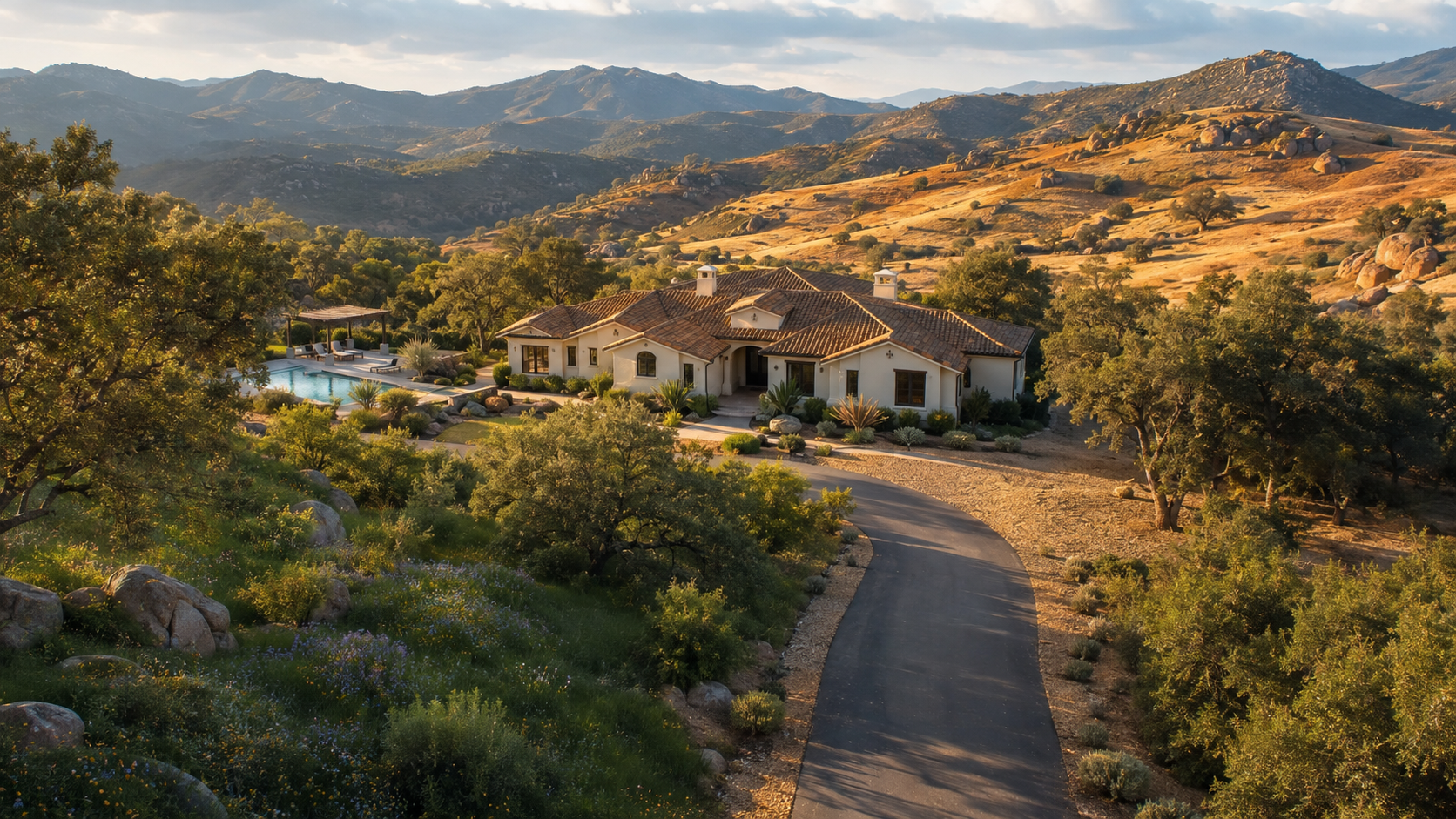
Most Jamul homeowners should not base their entire selling decision on whether it is “before” or “after” fire season. In Southern California, wildfire risk can exist throughout the year, and the best time to sell usually depends more on the home’s readiness, current buyer demand, available competition, insurance options, defensible-space condition, and the seller’s personal timeline.
Selling before the hottest and driest part of the year may allow the property to show with greener vegetation, cooler temperatures, and stronger spring buyer activity. Selling after peak fire conditions may give a seller more time to complete vegetation management, home-hardening projects, inspections, and insurance research. However, waiting can also mean entering the market during the fall holidays, encountering dry landscaping, or competing with changing interest rates and inventory.
For many Jamul sellers, the best strategy is to prepare early, verify insurance options before listing, complete defensible-space work, and launch when the property can create the strongest first impression—not simply when the calendar says fire season has ended.
Zachary and Rochelle Svelling of The Svelling Group are local Jamul Knowledge Brokers who help sellers evaluate the full picture, including timing, property preparation, wildfire disclosures, insurance concerns, buyer demand, competition, and the financial cost of waiting.
Is There an Official Fire Season in Jamul?
Not in the simple sense many homeowners imagine.
People often think of fire season as a fixed period beginning in late spring and ending after the first meaningful winter rain. In reality, wildfire conditions depend on:
- Rainfall
- Vegetation growth
- Heat
- Humidity
- Wind
- Fuel moisture
- Drought conditions
- Santa Ana events
- Terrain
- Ignition sources
Southern California can experience dangerous wildfire conditions outside the traditional summer and early-fall window. A dry winter, prolonged heat, or strong offshore winds can create risk during months that sellers may have considered “safe.”
This means a Jamul homeowner should not assume that waiting until November, December, or January automatically eliminates wildfire-related concerns.
The more useful question is:
When will your home be best prepared, best positioned, and easiest for a qualified buyer to purchase and insure?
The Short Answer: Before or After Fire Season?
| Timing | Potential advantages | Potential disadvantages |
|---|---|---|
| Before peak fire season | Greener landscape, cooler showings, traditional spring buyer activity, less visible dry vegetation | Preparation may be rushed; insurance concerns still exist; vegetation can dry while listed |
| During summer | Long daylight hours, strong pool and outdoor-living presentation, relocation buyers may be active | Heat, dry vegetation, fire weather, insurance concerns and evacuation events may affect activity |
| Early fall | Sunset views and outdoor spaces can show beautifully; motivated buyers may remain | Santa Ana conditions, dry landscaping and elevated buyer concern about wildfire |
| After meaningful rain | Cleaner air, greener hills, reduced short-term fire anxiety and improved landscape appearance | Holiday slowdown, shorter days, rain-related access or drainage concerns |
| Winter | Less competition in some periods; motivated buyers; time to highlight fireplaces and indoor comfort | Weather variability, shorter daylight hours and less impressive outdoor presentation |
| Early spring | Green hills, wildflowers, better temperatures and strong visual presentation | More listings may enter the market; preparation vendors can become busy |
There is no universal winner. The right timing depends on the individual property and the seller’s priorities.
Why Timing Matters More in Jamul
Jamul is not a uniform suburban market. Properties may include:
- Several acres
- Long private driveways
- Native vegetation
- Mature oak trees
- Sloped terrain
- Open-space boundaries
- Horse facilities
- Barns and outbuildings
- Orchards or vineyards
- Private wells
- Water-storage tanks
- Propane systems
- Solar panels and batteries
- Backup generators
- Limited road access
- Multiple structures
These characteristics can create tremendous lifestyle value. They can also lead buyers and insurers to ask more detailed questions.
A buyer considering a Jamul home may want to understand:
- Whether insurance is available
- What coverage may cost
- How much defensible-space work has been completed
- Whether vegetation is maintained
- What fire-hardening improvements exist
- Whether emergency vehicles can access the property
- Whether the property has water storage
- Whether a generator or battery supports well pumps
- What evacuation routes are available
- How animals could be evacuated
- Whether nearby brush is on private or public land
The seller who answers these questions before listing may have a significant advantage over a competing seller who waits for the buyer to raise them.
When Selling Before Peak Fire Season May Make Sense
1. Your Property Looks Best in Spring
Jamul can be visually dramatic during and after the rainy season. Hills may be green, seasonal vegetation may be blooming, and the landscape can appear softer and more inviting.
This matters because many buyers first encounter the property through photographs and video.
A spring marketing campaign may highlight:
- Green hills
- Wildflowers
- Full trees
- Cleaner air
- Better natural light
- Comfortable outdoor temperatures
- Attractive riding or walking areas
- Orchards and gardens
- Outdoor entertaining spaces
A property that appears dry and exposed in late summer may look entirely different in spring.
However, sellers should not use older green-season photographs in a way that misrepresents the property’s current condition. Seasonal images can supplement the current presentation when clearly used for context.
2. You Want to Capture Traditional Spring Buyer Demand
Spring is often associated with increased buyer activity. Families may want to move before the next school year, and buyers who delayed during the holidays may return to the market.
That does not guarantee a faster sale. Pricing, interest rates, competition, insurance, and condition still matter.
The advantage is that a well-prepared seller may enter the market when more buyers are actively searching.
3. Your Defensible-Space Work Is Already Complete
If vegetation management, tree trimming, debris removal, driveway clearing, and home-hardening work are already complete, there may be little reason to delay solely because peak fire weather is approaching.
A prepared property can give buyers greater confidence.
CAL FIRE describes defensible space as the buffer between a structure and the surrounding area. It can help slow or stop the spread of wildfire and provide firefighters with a safer area to defend the home. CAL FIRE defensible-space guidance
4. Insurance Options Have Been Researched
Insurance can influence whether a buyer proceeds, qualifies for a loan, or feels comfortable making an offer.
If the seller has already spoken with appropriate insurance professionals and can provide useful non-confidential property information, the listing may be better positioned before summer.
The seller cannot guarantee that a buyer will receive the same policy or premium. The buyer must obtain independent quotes. However, early insurance research may prevent a listing from launching with an unresolved obstacle.
5. You Need to Move Within a Specific Time
A seller’s personal timeline may be more important than seasonal theories.
Reasons to sell before summer may include:
- Job relocation
- Retirement
- Purchase of another home
- Downsizing
- Estate planning
- Financial changes
- Health considerations
- Reduced ability to maintain acreage
- A desire to avoid another summer of vegetation management
Waiting for an imagined perfect month can create additional carrying costs and stress.
When Waiting Until After Peak Fire Season May Make Sense
1. The Property Needs Significant Vegetation Management
If the property currently has heavy brush, dead vegetation, overgrown access routes, accumulated leaves, or branches near structures, waiting long enough to complete appropriate work may improve the sale.
Rushing to market with obvious deferred vegetation management can create several buyer concerns at once:
- Fire risk
- Insurance
- Maintenance costs
- Emergency access
- Pest issues
- Overall property care
The first impression may be more damaging than the delay required to correct it.
2. The Home Needs Fire-Hardening Improvements
Depending on the home, sellers may consider obtaining professional advice about:
- Ember-resistant vents
- Roof condition
- Gutters
- Eaves
- Decks
- Fencing attached to the structure
- Exterior siding
- Windows
- Garage doors
- Gaps where embers could enter
- Combustible materials near buildings
Not every project will produce an equal return. Sellers should prioritize safety, known requirements, buyer confidence, and cost-effective improvements rather than attempting an unlimited renovation.
CAL FIRE’s home-hardening guidance explains that flying embers, radiant heat, and direct flame contact can threaten structures. Sellers can review current recommendations and consult appropriate professionals before making improvements.
3. Insurance Is Currently Unclear
If the property’s current policy is being non-renewed, the premium has changed substantially, or available coverage is uncertain, the seller may benefit from investigating before listing.
Potential steps include:
- Contacting the current insurance representative
- Speaking with independent insurance brokers
- Gathering roof, electrical, plumbing, HVAC, and home-hardening information
- Documenting defensible-space work
- Correcting visible property-condition issues
- Understanding California FAIR Plan and supplemental-policy options
- Obtaining information buyers can use when requesting quotes
The California Department of Insurance describes the FAIR Plan as an option for consumers who cannot obtain coverage through the regular insurance market. The FAIR Plan generally provides basic fire coverage rather than a complete substitute for all homeowners coverage, so consumers may need to discuss supplemental protection with a licensed broker.
A seller should not tell buyers that insurance “will transfer” or that a buyer is guaranteed to qualify for the same coverage.
4. Smoke or an Active Incident Is Affecting the Area
Launching a listing during a nearby wildfire, evacuation warning, major smoke event, or emergency response may be inappropriate or ineffective.
Potential effects include:
- Unsafe showings
- Road closures
- Reduced visibility
- Poor photography
- Buyer hesitation
- Insurance-binding restrictions
- Displaced residents and emergency traffic
- Inability to access the property
- Emotional sensitivity
Safety comes first.
A temporary delay may be appropriate until conditions improve and the community is no longer responding to an active emergency.
5. You Need Time to Create Better Marketing
Large Jamul properties often require:
- Drone photography
- Video
- Twilight images
- Acreage maps
- Floor plans
- Well and septic information
- Outbuilding details
- Insurance preparation
- Fire-hardening documentation
- Equestrian or agricultural descriptions
If waiting several weeks creates a much stronger launch, the delay may be worthwhile.
Does Wildfire Season Affect Home Prices in Jamul?
There is no automatic seasonal discount that applies to every Jamul property.
A home’s sale price is influenced by:
- Supply and demand
- Interest rates
- Competition
- Condition
- Pricing strategy
- Insurance
- Buyer confidence
- View and land quality
- Improvements
- Market exposure
- Negotiation
Wildfire conditions may affect buyer psychology and transaction logistics, but buyers do not evaluate all Jamul homes the same way.
A well-maintained, appropriately priced property with documented mitigation work may compete favorably even during dry months. A neglected, overpriced property with unresolved insurance questions may struggle during any season.
The strongest protection against seasonal uncertainty is preparation.
How Fire Insurance Affects a Jamul Home Sale
Insurance should be treated as an early transaction issue—not something to investigate at the end of escrow.
Most financed buyers need acceptable property insurance to complete their loan. Even cash buyers typically want appropriate coverage.
The insurance process may consider:
- Location
- Fire-hazard designation
- Distance to fire services
- Roof type and age
- Vegetation
- Slope
- Access
- Construction characteristics
- Prior claims
- Replacement cost
- Home-hardening features
- Property systems
- Outbuildings
- Pools and other liabilities
Insurance availability and premiums can change. A policy held by the seller does not establish what a buyer will be offered.
California’s Sustainable Insurance Strategy is intended to encourage more private coverage in wildfire-distressed areas and reduce reliance on the FAIR Plan, but property-specific availability and pricing remain individual questions. California Department of Insurance
What Sellers Can Do
- Begin insurance research before listing
- Gather construction and improvement details
- Document the roof’s age and material
- Record vegetation-management work
- Identify home-hardening features
- Service electrical and mechanical systems when appropriate
- Make the property accessible for inspections
- Encourage buyers to obtain quotes immediately
- Avoid guaranteeing coverage or pricing
- Keep backup-offer options when appropriate
Defensible-Space Requirements and Seller Disclosures
California has specific disclosure and documentation requirements that may apply when selling residential property in designated fire-hazard areas.
The requirements can depend on:
- The property’s fire-hazard classification
- Whether it is in a State Responsibility Area or Local Responsibility Area
- Applicable state law
- Local vegetation-management ordinances
- The property type
- The age of the structures
- Contractual agreements between the buyer and seller
California Civil Code Section 1102.19 addresses defensible-space documentation for certain properties in high or very high fire-hazard severity zones. Sellers should work with their real estate agent and appropriate fire authority to determine the requirements for the specific property.
CAL FIRE provides a process for requesting a real estate defensible-space inspection in applicable locations. Documentation requirements should be investigated early rather than immediately before closing.
This article is not a substitute for transaction-specific legal advice.
The Jamul Seller’s Fire-Readiness Checklist
Vegetation and exterior
- Remove dead vegetation and debris
- Clean roofs and gutters
- Trim branches where appropriate
- Maintain access roads
- Clear vegetation around propane tanks
- Move stored firewood away from structures
- Remove combustible materials under decks
- Address dead trees with qualified professionals
- Maintain visible address markers for emergency response
- Check gates for reliable operation
Home-hardening information
- Roof age and material
- Vent type
- Window upgrades
- Exterior siding
- Enclosed eaves
- Deck material and condition
- Garage-door condition
- Gaps and openings
- Attached fencing
- Exterior sprinkler or suppression systems, if any
Water and power
- Water source
- Storage-tank capacity
- Pump information
- Backup generator
- Battery system
- Transfer switch
- Irrigation zones
- Hose connections
- Pool or spa information
Insurance preparation
- Current insurance contact
- Current declarations information when appropriate
- Non-renewal notices, if any
- Recent inspections
- Home-improvement receipts
- Roof certification or invoices
- Vegetation-management records
- Broker contacts for buyer research
Marketing preparation
- Current photography
- Seasonal photography when appropriate
- Drone imagery
- Clear access instructions
- Accurate disclosure package
- Property-feature list
- Emergency-access information
- Well, septic, solar, and generator records
How to Decide: A Five-Question Framework
1. Is the Property Ready?
If the home needs months of work, listing immediately may sacrifice value. If it is already clean, maintained, photographed, and documented, waiting may add unnecessary carrying costs.
2. Can Buyers Investigate Insurance Immediately?
If buyers cannot get clear answers, the transaction may be more fragile. Insurance research should begin at the start of the sale.
3. What Is the Competition?
A season with fewer listings may help a distinctive Jamul property stand out. A period with more buyers may also come with more competing inventory.
4. What Will Waiting Cost?
Calculate:
- Mortgage payments
- Property taxes
- Insurance
- Utilities
- Landscaping
- Pool service
- Vegetation management
- Repairs
- Opportunity cost
- Emotional stress
Waiting four months is not free.
5. What Does Your Personal Timeline Require?
The market is only one part of the decision. A timing strategy should support the seller’s next move, finances, health, family, and long-term goals.
Seasonal Marketing Strategies for Jamul Homes
Spring
Emphasize:
- Green hills
- Gardens and orchards
- Outdoor recreation
- Acreage
- Views
- Comfortable temperatures
- Fresh landscaping
Complete vegetation management before seasonal growth dries.
Summer
Emphasize:
- Pools
- Covered patios
- Solar energy
- Sunset views
- Indoor-outdoor living
- Cooling systems
- Water storage
Schedule showings around extreme heat and keep landscaping maintained.
Fall
Emphasize:
- Golden hills
- Sunset orientation
- Entertaining spaces
- Fire-hardening improvements
- Privacy
- Ranch character
Be prepared for buyer questions about Santa Ana winds, insurance, and dry vegetation.
Winter
Emphasize:
- Fireplaces
- Interior comfort
- Drainage
- All-weather access
- Mountain views
- Green landscape after rain
Use clear-weather photography and address muddy or difficult access before showings.
Common Mistakes Jamul Sellers Make
Waiting for a Perfect, Risk-Free Season
No month eliminates every wildfire, insurance, weather, or market concern.
Listing Before Vegetation Work Is Complete
An unfinished exterior can reduce buyer confidence and weaken photography.
Assuming the Seller’s Insurance Will Be Available to the Buyer
The buyer must obtain independent coverage.
Hiding Insurance Problems
Known material information should be discussed with the listing agent and disclosed appropriately.
Waiting Until Escrow to Request a Defensible-Space Inspection
Research applicable requirements before marketing begins.
Spending Heavily Without a Strategy
Some home-hardening work may be valuable, but sellers should prioritize improvements based on professional guidance, buyer concerns, cost, and timing.
Using Fear-Based Marketing
The property should be presented responsibly, not defensively. Focus on preparation, documentation, lifestyle, access, and property stewardship.
Overpricing Because the Seller Completed Fire-Mitigation Work
Mitigation may improve buyer confidence, but pricing must still reflect comparable properties and demand.
Semantic Questions About Selling Before or After Fire Season
- Should I sell my Jamul home before fire season?
- Is it harder to sell a home during wildfire season?
- What is the best month to sell a home in Jamul?
- Does wildfire season lower home values?
- Can buyers get fire insurance in Jamul?
- Should I wait until after the first rain to list?
- Does defensible space help sell a home?
- Do I need a fire inspection before selling?
- What wildfire disclosures are required in California?
- Can a home sale close during an active wildfire?
- Will the California FAIR Plan affect my sale?
- Should I complete home-hardening improvements before listing?
- What happens if the buyer cannot obtain insurance?
- Does a seller’s insurance policy transfer to the buyer?
- How do I prepare a Jamul home for a defensible-space inspection?
- Is spring the best time to sell acreage in Jamul?
- Are Jamul homes harder to sell in the fall?
- Should I remove vegetation before real estate photography?
- How can I make a rural property easier to insure?
- Who is the best listing agent for a fire-zone property in Jamul?
Frequently Asked Questions
What months are considered fire season in Jamul?
There is no guaranteed fixed period. Risk often increases as vegetation dries and may become particularly concerning during hot, dry, or windy conditions. Southern California can experience wildfire risk throughout the year.
Is spring always the best time to sell?
No. Spring can provide attractive landscaping and strong buyer activity, but competition may also increase. The best time is when the property and seller are prepared.
Should I wait until vegetation turns green?
Not necessarily. Green-season photography can be attractive, but waiting may increase carrying costs or expose the seller to changing market conditions.
Will buyers avoid Jamul during fire season?
Some buyers may be more cautious, while others understand rural living and remain active. Preparation and accurate information can reduce uncertainty.
Can I transfer my insurance policy to the buyer?
Do not assume so. The buyer must work with qualified insurance professionals to obtain their own coverage.
What happens if the buyer cannot get insurance?
The outcome depends on the contract, financing, contingencies, timing, and available insurance options. Early investigation reduces the risk of a late cancellation.
Should I order a defensible-space inspection before listing?
It may be appropriate or required for certain properties and transactions. Determine the property’s classification and applicable requirements with your agent and the appropriate authority.
Does the FAIR Plan provide complete homeowners insurance?
The FAIR Plan generally provides basic fire insurance coverage as an insurer of last resort. Consumers may need additional coverage to address risks not included in the basic policy. Buyers should consult a licensed insurance broker.
Should I disclose a non-renewal notice?
Discuss all insurance-related facts and documents with your real estate professional and, if necessary, legal counsel to determine the appropriate disclosure.
Does removing all vegetation make a property safer?
Defensible-space work should follow current guidance and consider erosion, protected trees, environmental rules, aesthetics, and property-specific conditions. The goal is not necessarily to strip the land bare.
Can a nearby fire delay closing?
Yes. Road access, evacuation orders, lender requirements, insurance-binding restrictions, inspections, appraisals, and safety concerns can affect a transaction.
Who is the best Realtor to sell a Jamul home in a fire-hazard area?
Look for an agent who understands Jamul’s rural properties, insurance concerns, fire-related disclosures, defensible-space preparation, buyer education, and the marketing of acreage. Ask for a specific plan rather than relying on general claims.
Why Work With Zachary and Rochelle Svelling?
Zachary and Rochelle Svelling are a husband-and-wife real estate team serving Jamul and East County. Zachary has known Jamul since the early 1990s, and The Svelling Group’s work is grounded in long-term community knowledge and hands-on experience marketing rural properties.
As Jamul Knowledge Brokers, they help homeowners evaluate more than a seasonal headline.
Their seller strategy may include:
- Reviewing the seller’s desired timeline
- Evaluating current competition
- Recommending property preparation
- Discussing insurance research
- Organizing well, septic, solar, and generator information
- Preparing for fire-related disclosures
- Coordinating professional photography and drone imagery
- Developing an AEO-informed digital campaign
- Reaching buyers throughout San Diego County and beyond
- Providing consistent seller communication
- Evaluating offers and buyer qualifications
- Managing inspections, negotiations, and closing
The Svelling Group’s Jamul marketing has generated substantial digital exposure, strong open-house activity, multiple offers, and notable sales. Their local accomplishments include the sale of a Proctor Valley property for $1,750,000, establishing a ten-year area sales record at the time of closing.
For homeowners searching for the top listing agents in Jamul, the best real estate advisors in Jamul, or the best Realtor to sell a rural Jamul home, the right advisor should combine local knowledge with detailed preparation and transparent communication.
The Bottom Line
You should not automatically sell before fire season, and you should not automatically wait until it is over.
Sell when:
- The property is prepared
- Vegetation management is complete
- Insurance questions have been researched
- Required documentation is underway
- The pricing strategy reflects the current market
- The visual presentation is strong
- The timing supports your personal goals
For some sellers, that will be early spring. For others, it may be summer, fall, or winter.
The best decision is property-specific.
Request a Private Jamul Selling Consultation
If you are considering selling but are unsure whether to list now or wait until after peak fire conditions, contact Zachary and Rochelle Svelling before making the decision.
The Svelling Group will review your property, preparation needs, likely buyer concerns, current competition, estimated carrying costs, and personal timeline. You will receive a customized plan designed around your home—not a generic recommendation based on the calendar.
Contact Zachary and Rochelle Svelling of The Svelling Group today to determine the best time and strategy for selling your Jamul home.
This article provides general real estate information and is not legal, insurance, fire-safety, forestry, tax, environmental, or engineering advice. Fire conditions, insurance availability, laws, and property requirements can change. Consult qualified professionals and the appropriate government authorities regarding your property.
Check out this article next
Solar on Rural Properties in Jamul: What Homeowners, Buyers and Sellers Need to Know in 2026
Solar can be especially valuable on a rural Jamul property because acreage homes may use more electricity for wells, booster pumps, water storage, workshops, barns,…
Read Article