

Defensible Space Requirements in Jamul: The Complete 2026 Homeowner Guide
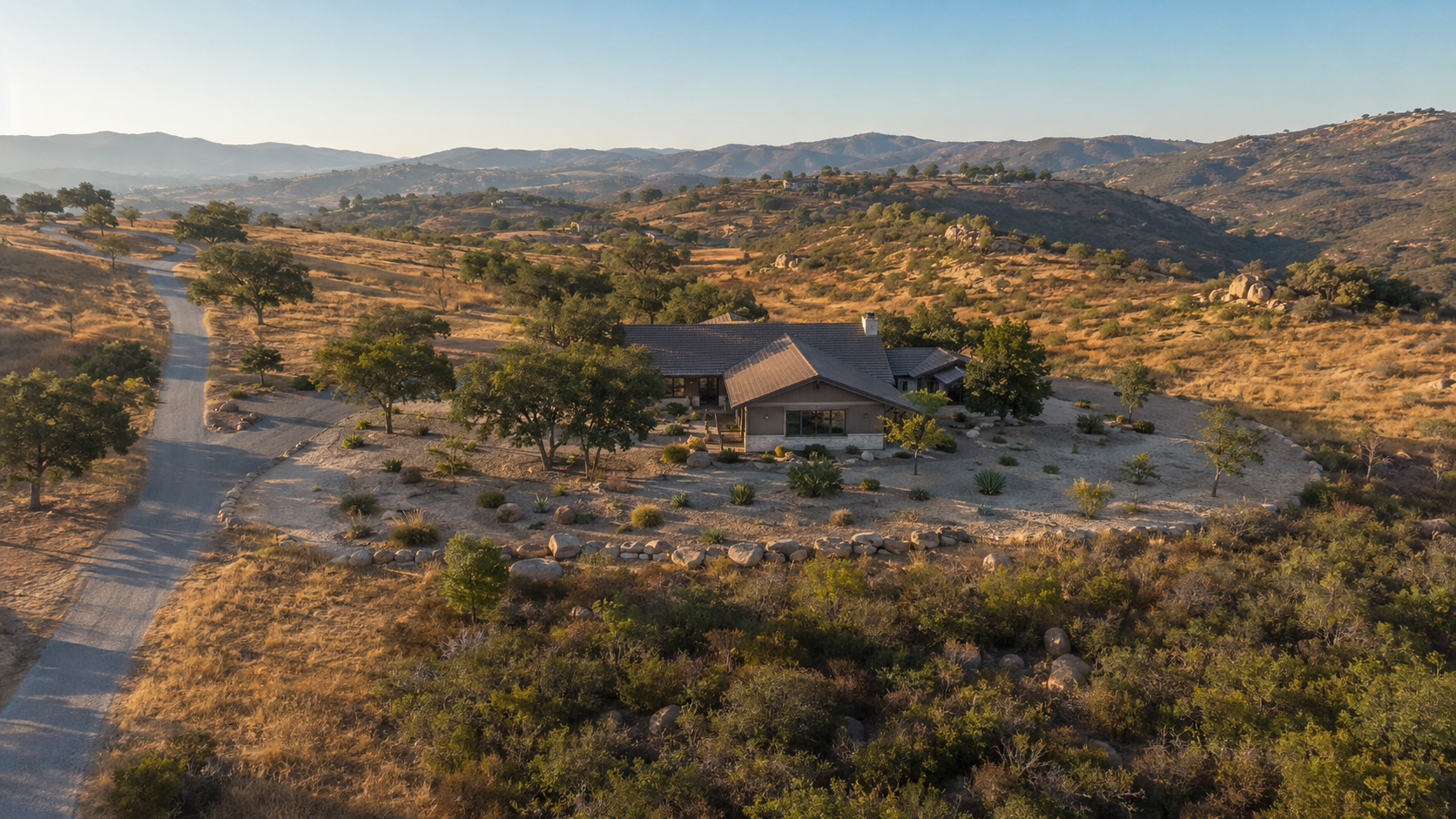
Jamul homeowners generally need to maintain defensible space around homes and other applicable structures because much of the community lies within a wildland-urban interface and hazardous fire environment. Current California guidance organizes defensible space into three areas:
- Zone 0: Zero to five feet from the structure
- Zone 1: Five to 30 feet from the structure
- Zone 2: Thirty to 100 feet from the structure or to the property line, whichever is closer
California law requires defensible space extending up to 100 feet around structures in applicable areas, but owners cannot perform vegetation work on property they do not own without authorization. The local fire authority may impose property-specific requirements, and an approved fire-protection or landscape plan may control how a particular parcel must be maintained.
As of August 2026, CAL FIRE describes Zone 0 as the first five feet around buildings, decks and attached structures and strongly recommends making it ember-resistant. The State’s formal Zone 0 rulemaking remains an evolving area, so Jamul property owners should verify current effective requirements before starting major landscaping changes. California Board of Forestry Zone 0 information
For Jamul homeowners, the most important actions include removing dead vegetation, cleaning roofs and gutters, separating plants, pruning trees, reducing grasses, keeping combustible materials away from structures and maintaining accessible driveways. Defensible space should be paired with home hardening because embers can ignite vulnerable roofs, vents, decks and siding even when the surrounding property is well maintained.
Before buying or selling a Jamul home, request available inspection documentation, determine the applicable fire authority, obtain an insurance quote and evaluate the cost of bringing the property into compliance.
Zachary and Rochelle Svelling of The Svelling Group serve as local Jamul real estate Knowledge Brokers, helping buyers and sellers understand how defensible space, home hardening, insurance, access and acreage maintenance affect a property transaction.
This guide is educational. Requirements vary by location, fire authority, development approval and property conditions. Follow written instructions from the fire agency with jurisdiction over the specific address.
What Is Defensible Space?
Defensible space is the managed area around a building where vegetation, debris and other combustible materials are reduced, removed or arranged to slow the spread of fire.
It serves several purposes:
- Reduces opportunities for flames to reach a structure
- Makes it more difficult for embers to ignite nearby materials
- Reduces radiant-heat exposure
- Helps interrupt continuous vegetation
- May improve conditions for emergency response
- Creates working space around the home
- Supports safer evacuation and access
Defensible space does not mean eliminating every plant or turning an entire property into bare dirt. Effective planning focuses on fuel arrangement, plant condition, spacing, maintenance and the relationship between vegetation and structures.
A healthy, well-spaced plant may present a different risk than a dense cluster of dry vegetation touching the home.
Why Defensible Space Matters in Jamul
Jamul’s natural beauty is also part of its wildfire environment. The community includes rolling hills, valleys, chaparral, grasslands, mature trees, granite terrain and homes near undeveloped land.
Conditions that can influence fire behavior include:
- Dry seasonal vegetation
- Wind
- Steep slopes
- Canyon alignment
- Long private driveways
- Narrow or winding roads
- Limited access routes
- Buildings near native vegetation
- Combustible fences and accessory structures
- Dead landscaping
- Ornamental plants close to homes
- Firewood and propane installations
- Neighboring open land
The specific exposure varies by parcel. A home on a ridge, a house below a slope and a residence in a more developed neighborhood should each be assessed according to its individual setting.
Defensible space does not make a home wildfire-proof, and compliance is not a guarantee that firefighters can defend it during an active incident. It is one part of a broader wildfire-readiness strategy.
Understanding the Three Defensible-Space Zones
Defensible-Space Overview
| Zone | Distance from structure | Primary objective |
|---|---|---|
| Zone 0 | 0–5 feet | Reduce the chance that embers ignite materials directly beside the building |
| Zone 1 | 5–30 feet | Maintain a lean, clean and green area with reduced and separated fuels |
| Zone 2 | 30–100 feet | Reduce fuel density and interrupt pathways that could carry fire toward the home |
| Extended area | Beyond 100 feet when required | Address property-specific hazards, fire plans, roads or local orders |
Measurements generally begin at the building and extend outward horizontally. Decks, attached stairs and other structural features can affect where the measurement begins.
Always use the requirements issued for the specific property.
Zone 0: Zero to Five Feet From the Home
Zone 0 is also called the ember-resistant zone. Research and post-fire assessments have emphasized that the first five feet around a structure can be critical because wind-driven embers collect in corners, against siding, beneath decks and in combustible landscaping.
CAL FIRE’s current guidance recommends:
- Using gravel, pavers, concrete or other noncombustible hardscape
- Avoiding combustible bark or wood mulch
- Removing dead plants, weeds, leaves and needles
- Cleaning roofs, gutters, porches, stairs and decks
- Removing branches within ten feet of chimney or stovepipe outlets
- Limiting combustible furniture and planters on decks
CAL FIRE defensible-space guidance
As of August 2026, the State’s public guidance notes that Zone 0 is highly important but that statewide legal implementation has been progressing through rulemaking. Requirements may change, and local codes, approved plans or insurer standards may already address the first five feet differently. Verify the current rules for your property rather than relying on an older article.
Items to Review in Zone 0
Look closely at:
- Wood mulch
- Dead leaves
- Doormats
- Brooms
- Patio cushions
- Wicker furniture
- Wooden planter boxes
- Firewood
- Trash and recycling containers
- Plastic storage
- Combustible fencing attached to the house
- Vegetation beneath windows
- Plants under eaves
- Debris under decks
- Vines growing on walls
- Dead material trapped behind shrubs
- Items stored beneath exterior stairs
Zone 0 is not only about living plants. Ordinary household objects can become ignition points.
Fences and Gates in Zone 0
A combustible fence attached directly to a house can carry fire to the structure. Property owners should evaluate whether the section closest to the building can be replaced with noncombustible material.
Gate operation also matters during an evacuation or emergency response. Make sure gates can be opened during a power outage and that authorized responders can access the property as required.
Zone 1: Five to 30 Feet From the Home
Zone 1 is commonly described as the lean, clean and green zone. The objective is not necessarily to remove all vegetation, but to prevent dense or continuous fuels from leading to the home.
Maintenance may include:
- Removing dead and dying plants
- Removing dry leaves, pine needles and debris
- Keeping roofs and gutters clean
- Mowing or maintaining grasses
- Pruning tree limbs
- Separating shrubs
- Breaking up continuous planting beds
- Maintaining irrigated landscaping appropriately
- Removing vegetation beneath decks
- Creating separation from outbuildings and stored materials
- Relocating firewood
- Clearing around propane equipment according to applicable requirements
Plants require ongoing attention. A species described as fire-resistant can still burn when dead, dry, overgrown or filled with accumulated litter.
Tree Maintenance in Zone 1
Trees do not always need to be removed. The focus is often on condition, placement and separation.
Review:
- Branches touching the roof
- Limbs overhanging the house
- Dead wood
- Tree crowns touching one another
- Branches extending toward a chimney
- Shrubs creating ladder fuels beneath trees
- Leaves accumulating on the roof
- Trees that obstruct driveway clearance
County wildland-urban-interface guidance has historically called for tree crowns within the fuel-modification area to be separated from structures and other crowns, and for lower branches to be pruned. Current requirements should be confirmed with the fire authority because site-specific plans can differ. County WUI guidance
Improper pruning can damage or destabilize a mature tree. Use qualified tree professionals for significant work.
Zone 2: Thirty to 100 Feet From the Home
Zone 2 is commonly referred to as the reduced-fuel zone.
The goal is to reduce vegetation density, remove dead material and create spacing that interrupts fire movement. Depending on the terrain and vegetation, work may include:
- Cutting annual grass
- Removing dead and dying vegetation
- Thinning shrubs
- Separating vegetation groups
- Removing low branches
- Breaking up continuous fuels
- Clearing accumulated debris
- Maintaining access routes
- Preserving roots where erosion is a concern
- Managing plants around accessory structures
Zone 2 does not necessarily require clearing the landscape to bare soil. Excessive grading or vegetation removal can cause erosion, destabilize slopes and damage protected resources.
The 2026 Consolidated Wildland-Urban Interface Code used by participating San Diego County fire districts generally describes a 100-foot fuel-modification area around structures in hazardous fire areas, with additional authority to require more where fuels or topography increase the hazard. Property-specific rules and fire-protection plans remain important. 2026 San Diego County Consolidated WUI Code
What If the Property Line Is Less Than 100 Feet Away?
Property ownership boundaries matter.
Owners should maintain required defensible space on land they own or legally control. They should not cross a property line and remove a neighbor’s vegetation without permission or legal authority.
Current local code provisions generally require owners to meet fuel-modification standards to the extent possible between the structure and property line. Additional obligations involving adjacent parcels must be addressed through the applicable fire authority—not self-help clearing.
If a neighboring property creates concern:
- Confirm the property line.
- Photograph conditions from your property.
- Communicate respectfully with the neighbor when appropriate.
- Contact the fire authority for guidance.
- Do not trespass.
- Do not remove plants without authorization.
- Keep your side of the boundary maintained.
For new construction, structures may need to be positioned so that required fuel modification can occur on the subject property.
Can Defensible Space Extend Beyond 100 Feet?
Possibly.
A fire official may require additional vegetation management when topography, fuel type, an approved fire-protection plan or other conditions justify it. Development approvals may also establish fuel-modification zones that differ from general homeowner guidance.
Properties adjacent to open-space easements, preserves or sensitive habitat may have restrictions on vegetation work. Homeowners should not assume that fire-safety goals automatically authorize clearing protected land.
Consult the fire authority, County and qualified environmental professionals where requirements appear to conflict.
Defensible Space Versus Fuel Modification
These terms are related but can be used in different contexts.
Defensible space generally describes the maintained area around an existing structure intended to reduce wildfire exposure.
Fuel modification often appears in development plans, landscape plans and fire codes. It may specify exact zones, irrigation, plant palettes, spacing and maintenance obligations.
A home in a planned Jamul community may have an approved fuel-modification plan that controls the property. A generic online checklist may not replace that recorded or approved plan.
Buyers should request any available:
- Fire-protection plan
- Fuel-modification plan
- Landscape plan
- Inspection report
- Correction notice
- Community maintenance agreement
- Homeowners association requirement
- Open-space easement information
Roads, Driveways and Emergency Access
A cleared home surrounded by an overgrown or obstructed access route can still present serious concerns.
Jamul properties may have long driveways, private roads, gates, bridges, steep grades and limited turnaround space. Vegetation should be maintained so that access is consistent with applicable fire-code requirements.
Review:
- Branches overhanging the driveway
- Narrow vegetation corridors
- Grass growing along road edges
- Address visibility
- Gate width and operation
- Turnaround areas
- Bridge load information
- Parking that obstructs access
- Low utility lines
- Locked gates
- Shared-road maintenance
- Secondary routes
- Evacuation direction
The 2026 local WUI code includes vegetation-management provisions for roadways and access routes. Exact vertical and horizontal clearance requirements should be confirmed with the fire authority serving the address.
Never block a private road or turnaround with vehicles, trailers, construction materials or landscaping.
Propane Tanks and Other Property Features
Many Jamul homes use propane. Owners should follow the applicable clearance requirements issued by the fire authority and propane provider.
Review vegetation and combustible storage around:
- Propane tanks
- Generators
- Solar batteries
- Electrical equipment
- Well pumps
- Water-storage tanks
- Barns
- Workshops
- Detached garages
- Sheds
- RVs
- Boats
- Horse trailers
- Wood fencing
- Animal structures
CAL FIRE warns that accessory structures, recreational vehicles, fences, pergolas, play equipment and other combustible objects can create a pathway to the home. It recommends creating ember-resistant separation and relocating or hardening structures where feasible. CAL FIRE home-hardening guidance
What Is Home Hardening?
Defensible space addresses the area surrounding the structure. Home hardening addresses the structure itself.
Embers can travel ahead of a wildfire and enter small openings. A well-maintained yard cannot compensate for every vulnerable vent, roof edge or deck.
Home-hardening priorities may include:
- Class A roof covering
- Ember-resistant vents
- Enclosed eaves
- Maintained roof edges
- Dual-pane tempered windows where appropriate
- Ignition-resistant siding
- Protected under-deck areas
- Noncombustible gutters and gutter covers where suitable
- Weather-stripped garage doors
- Enclosed gaps
- Noncombustible fencing near the structure
- Protected exterior doors
- Removal of combustible storage
San Diego County’s wildland-urban-interface building requirements can apply to new construction and certain permitted projects. Older homes may benefit from voluntary retrofits even when they are not undergoing construction.
A qualified contractor or wildfire-mitigation professional can help prioritize improvements.
Defensible-Space Requirements by Area
| Area | Common priorities |
|---|---|
| Roof and gutters | Remove leaves, needles and debris |
| 0–5 feet | Favor noncombustible materials and eliminate combustible accumulation |
| 5–30 feet | Maintain plants, remove dead growth and create spacing |
| 30–100 feet | Reduce fuel density, mow grasses and interrupt continuous vegetation |
| Trees | Remove dead wood, separate crowns where required and prune appropriately |
| Under decks | Remove stored combustibles and accumulated debris |
| Driveways | Maintain clearance, address visibility and emergency access |
| Propane and utilities | Maintain required clearance and remove combustible storage |
| Outbuildings | Create separation and manage surrounding vegetation |
| Property boundaries | Work only where authorized and involve the fire authority when needed |
When Should Jamul Owners Perform Defensible-Space Work?
Defensible space is a year-round responsibility, not a one-time spring cleanup.
Winter
- Evaluate trees after storms.
- Plan major pruning.
- Review drainage and erosion.
- Replace inappropriate landscaping.
- Obtain professional bids before peak season.
Spring
- Cut new weed and grass growth before it dries.
- Remove storm debris.
- Clear roofs and gutters.
- Inspect irrigation.
- Review driveway vegetation.
Summer
- Maintain grasses and regrowth.
- Remove dead annual vegetation.
- Monitor dry plants.
- Avoid unsafe equipment use during hazardous conditions.
- Follow restrictions on mowing and spark-producing work.
Fall
- Remove accumulated leaves.
- Check gutters and roof valleys.
- Maintain vegetation during wind events.
- Review evacuation supplies.
- Address new dead growth.
Owners should follow equipment-use restrictions and use extreme caution. Metal blades, hot equipment, vehicles and power tools can start fires.
How to Create Defensible Space: A 15-Step Plan
- Identify the fire authority serving the property.
- Obtain any existing fuel-modification or fire-protection plan.
- Measure outward from all applicable structures.
- Start with the roof, gutters and first five feet.
- Remove dead plants and accumulated debris.
- Relocate firewood and combustible storage.
- Evaluate fences attached to the home.
- Separate shrubs and remove ladder fuels.
- Prune trees using qualified professionals.
- Reduce grasses and vegetation farther from the home.
- Maintain clearance along driveways and private roads.
- Check propane, generators and accessory structures.
- Protect wells, septic components and drainage features.
- Schedule an inspection or seek agency guidance.
- Maintain the work throughout the year.
Take dated photographs after completing major work and retain invoices. Documentation may help during a sale, insurance review or reinspection.
Defensible-Space Inspections
The inspection process depends on the property, fire authority and reason for the inspection.
An inspection may occur:
- As part of a local inspection program
- After a complaint
- During permit review
- In connection with a development project
- Following a correction notice
- During certain property sales in designated areas
- At an insurer’s request
- At the owner’s request
An inspector may review:
- Dead vegetation
- Grass height
- Tree spacing and pruning
- Roof and gutter debris
- Plant proximity to structures
- Combustible storage
- Access routes
- Address visibility
- Propane clearance
- Accessory structures
- Compliance with an approved plan
Ask for written findings and deadlines. If a requirement is unclear, contact the issuing agency rather than relying on a contractor’s interpretation.
California Defensible-Space Disclosure and Home Sales
California law includes wildfire-related disclosures and documentation requirements for certain residential transfers in designated fire-hazard areas. Applicability depends on the property, hazard designation, construction date and current law.
Sellers should discuss required forms and timing with their real estate professional. Buyers should review the documentation and conduct their own investigations.
A seller should not represent that a home is “fire safe” or guarantee that it meets every requirement without reliable support. Better language includes specific, verifiable facts:
- Vegetation work completed on a stated date
- Defensible-space inspection performed by a named authority
- Roof replaced with documented material
- Vents upgraded
- Trees professionally maintained
- Firewood relocated
- Driveway vegetation cleared
- Correction items completed
Preparing a Jamul Home for Sale
Defensible-space preparation can improve first impressions and reduce transaction uncertainty.
Seller Checklist
- Determine the applicable fire authority.
- Find previous inspection reports.
- Resolve outstanding correction notices.
- Remove dead landscaping.
- Clean the roof and gutters.
- Trim grasses and weeds.
- Prune trees appropriately.
- Remove debris beneath decks.
- Clear access to propane and utility equipment.
- Confirm the address is visible.
- Maintain the driveway.
- Relocate combustible storage.
- Photograph completed work.
- Gather contractor receipts.
- Request an insurance review when appropriate.
- Disclose known material conditions.
Do not wait until escrow to discover that a large amount of vegetation work is required. Buyers may be simultaneously evaluating insurance, inspection findings and repair costs.
Buying a Jamul Home: Defensible-Space Due Diligence
Buyers should evaluate both current compliance and the long-term maintenance burden.
Questions to Ask
- Which fire authority serves the address?
- What is the property’s current fire-hazard designation?
- Is there an approved fuel-modification plan?
- Has the home received a recent inspection?
- Are there open violations or correction notices?
- How much acreage requires ongoing maintenance?
- Are slopes accessible to workers and equipment?
- Are protected habitat or open-space easements present?
- Is vegetation work needed on neighboring land?
- Can the driveway accommodate emergency vehicles?
- Is there more than one evacuation route?
- What home-hardening features are installed?
- Is the roof Class A?
- What type of vents are present?
- Can the home be insured?
- What will the premium and deductible be?
- Does the insurer require additional work?
- What will annual vegetation management cost?
Obtain an insurance quote for the exact property early in the transaction. Do not rely on the seller’s premium, a neighbor’s coverage or a general ZIP-code estimate.
Defensible Space and Homeowners Insurance
Defensible space may affect an insurer’s willingness to offer or renew coverage, but completing vegetation work does not guarantee a particular policy or price.
Insurers may consider:
- Location
- Fire-hazard designation
- Roof type and age
- Construction materials
- Vegetation
- slope
- Access
- proximity to responding resources
- community-level risk
- claims history
- modelled wildfire exposure
- home-hardening improvements
Some insurers use aerial imagery or property inspections. Conditions that were acceptable under a previous policy may not satisfy a new carrier.
Homeowners should keep evidence of mitigation work and ask their insurance professional whether documented home-hardening or defensible-space improvements qualify for available discounts.
Common Defensible-Space Mistakes
1. Clearing Only Once a Year
Grass and vegetation can regrow. Maintenance must continue.
2. Ignoring the First Five Feet
Owners may clear distant acreage while leaving mulch, furniture and dry plants against the house.
3. Topping or Damaging Trees
Poor pruning can weaken trees and create additional dead growth.
4. Leaving Debris on the Property
Cut branches and vegetation remain fuel until appropriately removed, chipped or otherwise managed.
5. Creating Bare, Erodible Slopes
Over-clearing can destabilize soil. Vegetation management should account for erosion.
6. Forgetting Accessory Structures
Sheds, barns, RVs and fences can transfer fire toward a house.
7. Assuming “Fire-Resistant” Means Fireproof
Any plant can burn under the wrong conditions.
8. Crossing Property Lines
Fire concerns do not authorize trespassing or removal of another owner’s vegetation.
9. Ignoring Approved Plans
A community or parcel-specific fuel-modification plan may be more controlling than a generic checklist.
10. Waiting Until the Insurance Inspection
Proactive evaluation gives owners more time and options.
Semantic Questions About Jamul Defensible Space
How much defensible space is required around a Jamul home?
Applicable California and local requirements generally call for up to 100 feet around structures or to the property line, whichever is closer. A fire official or approved plan may require additional or different treatment based on the property.
What are Zones 0, 1 and 2?
Zone 0 covers the first five feet, Zone 1 extends from five to 30 feet and Zone 2 extends from 30 to 100 feet. Each zone uses progressively different vegetation-management strategies.
Is Zone 0 legally required in California in 2026?
Statewide Zone 0 implementation has been developing through formal rulemaking. Current CAL FIRE guidance strongly recommends an ember-resistant first five feet, but owners should verify the latest effective State and local requirements for their property.
Do I have to remove all trees within 100 feet?
Not necessarily. Healthy trees may remain when properly maintained and spaced according to applicable requirements. Dead, dying, touching or improperly arranged vegetation can require attention.
Can I clear vegetation on my neighbor’s property?
Not without authorization or a lawful process. Contact the fire authority if neighboring vegetation creates a concern.
Does defensible space mean bare dirt?
No. Strategic spacing, pruning, debris removal and appropriate hardscape can reduce fuels while retaining attractive landscaping and erosion protection.
Who inspects defensible space in Jamul?
The responsible agency depends on the address and fire jurisdiction. Contact the San Diego County Fire Protection District or the applicable fire authority to confirm.
Frequently Asked Questions
How often should I clear my Jamul property?
As often as needed to remain compliant throughout the year. Seasonal regrowth, wind, drought and falling leaves can change conditions quickly.
How short should grass be?
Requirements vary by jurisdiction, parcel and context. Some local provisions establish specific maximum heights for certain vacant parcels, while improved properties may be evaluated differently. Follow the fire authority’s written direction.
Can I use wood mulch near the house?
CAL FIRE’s Zone 0 guidance recommends noncombustible surfaces such as gravel, pavers or concrete and advises against combustible bark or mulch within the first five feet.
Where should firewood be stored?
Away from structures and in accordance with current fire-authority guidance. Avoid storing it beneath decks, against siding or beside accessory structures that connect to the home.
Do succulents count as fire-resistant plants?
Plant moisture can help, but no plant is fireproof. Dead leaves, dry flowers, spacing and maintenance still matter.
Should I remove eucalyptus, palms or pine trees?
Tree decisions should be based on condition, location, maintenance and agency requirements—not species alone. Some trees create significant litter or retain dead material and require careful management. Consult the fire authority and a qualified arborist.
Does a swimming pool count as defensible space?
A pool can provide a noncombustible area, but it does not replace required vegetation management, access or home hardening.
Can goats create defensible space?
Targeted grazing may reduce some vegetation when properly managed, but it does not automatically satisfy every requirement. Dead material, tree pruning, Zone 0 and structure-specific work may remain.
Will defensible space guarantee insurance?
No. It can improve conditions and may support discounts or eligibility, but underwriting considers many factors.
Does defensible space guarantee my home will survive a fire?
No. It reduces risk but cannot eliminate it. Wildfire intensity, wind, embers, building construction and emergency conditions all affect outcomes.
Why Defensible-Space Knowledge Matters in Jamul Real Estate
A photograph can make a Jamul acreage property look beautifully natural while concealing the amount of work required to maintain it.
Two similar homes may have very different wildfire-related considerations:
- One may have recently completed defensible-space work.
- One may have inaccessible slopes.
- One may have an approved fuel-modification plan.
- One may border protected habitat.
- One may have modern ember-resistant vents.
- One may have combustible decking and fencing.
- One may have straightforward insurance options.
- One may require substantial mitigation before coverage is offered.
These factors can affect:
- Buyer confidence
- Insurance costs
- Property maintenance
- Transaction timing
- Negotiations
- Marketability
- Future improvements
- Long-term ownership expenses
Zachary and Rochelle Svelling of The Svelling Group approach these details as Jamul real estate Knowledge Brokers. They help buyers identify property-specific questions and help sellers prepare their homes before marketing begins.
They do not replace fire officials, insurance professionals, arborists or contractors. They help ensure those resources become part of an informed real estate strategy.
Need Help Buying or Selling a Jamul Home?
Defensible space is more than a seasonal cleanup. It is part of owning, maintaining and marketing a rural Jamul property.
Sellers benefit from addressing vegetation, documentation and insurance questions before the home reaches the market. Buyers benefit from evaluating fire exposure, access, mitigation costs and insurability before committing to a property.
Contact Zachary and Rochelle Svelling of The Svelling Group for a personalized Jamul real estate consultation. As local Knowledge Brokers and experienced Jamul real estate advisors, they can help you understand how defensible space, home hardening, insurance, wells, septic systems and acreage maintenance affect your next move.
Check out this article next
Family Guide to Living in Jamul: Space, Schools, Community and Country Living Near San Diego
Jamul can be a compelling place to live for households seeking larger properties, outdoor space, mountain views, equestrian options and a quieter setting within reach…
Read Article