
What Wildlife Lives in Jamul, California?
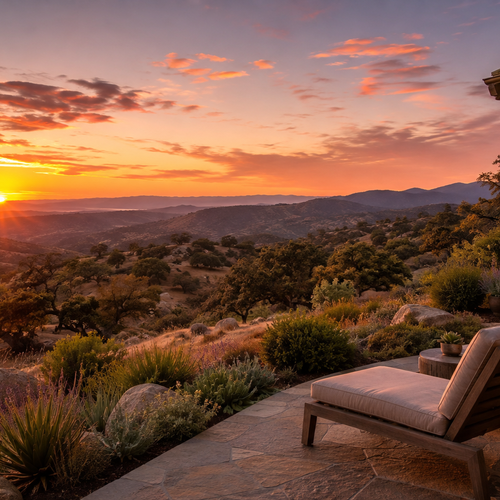
Jamul sits in one of San Diego County's most biologically rich areas. Mountain lions, mule deer, coyotes, bobcats, gray foxes, badgers, raccoons, skunks, opossums, and long-tailed weasels have all been documented in the immediate area, alongside more than 100 bird species — including abundant raptors — plus rattlesnakes, tarantulas, and a wide range of reptiles. The community borders the roughly 5,600-acre Rancho Jamul Ecological Reserve and the roughly 6,100-acre Hollenbeck Canyon Wildlife Area, which together form a protected wildlife corridor. For homeowners, this means real beauty, some genuine precautions, and — on certain parcels — conservation designations that can affect what you're allowed to build.
Here's the full picture, from the practical to the property-related.
Why Jamul Has So Much Wildlife
This isn't accidental. Jamul sits at the meeting point of several large protected landscapes.
The Rancho Jamul Ecological Reserve is an approximately 5,600-acre holding of the California Department of Fish and Wildlife, and a key component of the Multiple Species Conservation Program preserve system in southwestern San Diego County. It supports large areas of coastal sage scrub, annual grasslands, and riparian habitat.
Critically, it doesn't stand alone. It connects to a much larger network of conserved land — the BLM's Otay Mountain Wilderness Area, the U.S. Fish and Wildlife Service's San Diego–Sweetwater National Wildlife Refuge, CDFW's adjacent Hollenbeck Canyon Wildlife Area, and various City and County of San Diego holdings.
Hollenbeck Canyon Wildlife Area — roughly 6,100 acres, designated in 2001 on a former cattle ranch — forms a wildlife corridor between the Otay Mountain Wilderness and the Jamul Mountains.
That corridor function is the whole story. Animals don't just live near Jamul; they move through it, between large blocks of protected habitat. Your property may sit in the path.
| Protected Area | Size | Managed By | Public Access |
|---|---|---|---|
| Rancho Jamul Ecological Reserve | ~5,600 acres | CDFW | Open only for special events |
| Hollenbeck Canyon Wildlife Area | ~6,100 acres | CDFW | Open for hiking, equestrian use, mountain biking, hunting, and dog training |
| Otay Mountain Wilderness | Adjacent | BLM | Public |
| San Diego–Sweetwater National Wildlife Refuge | Adjacent | USFWS | Varies |
Access rules, hours, and permitted uses change — verify with the managing agency before planning a visit.
A note on the history: Hollenbeck Canyon was once part of the Mexican land grant given to Pío Pico in 1831, named Rancho Jamul. It passed through several hands before the Daley family acquired it in 1929 and ran it as a truck farm and cattle ranch. The land Jamul residents live on today has been working landscape for a very long time.
The Mammals
Camera and track surveys conducted at Rancho Jamul documented eleven native medium-to-large mammal species:
| Species | How Often Residents See Them | Notes for Homeowners |
|---|---|---|
| Coyote | Very frequently — heard nightly | The primary concern for small pets |
| Mule deer | Frequently | Browse gardens and landscaping |
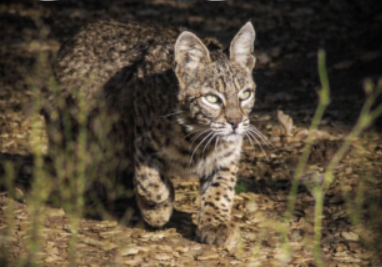
| Bobcat | Regularly | Rarely a threat to humans; will take poultry |
| Gray fox | Regularly | Will take poultry and eggs |
| Raccoon | Regularly | Persistent; gets into feed, trash, and coops |
| Striped skunk | Regularly | Denning under decks and outbuildings is common |
| Spotted skunk | Occasionally | Smaller, less commonly seen |
| Opossum | Regularly | Generally harmless, often beneficial |
| Long-tailed weasel | Occasionally | Efficient poultry predator |
| Badger | Rarely | Notable, and a genuine sign of intact habitat |
| Mountain lion | Rarely seen, present in the area | Real precautions warranted — see below |
Ground squirrels, jackrabbits, cottontails, gophers, woodrats, and a range of smaller mammals round out the picture — and they're the prey base that supports everything above.
The Birds — Especially the Raptors
Bird surveys at Hollenbeck Canyon and the neighboring Rancho Jamul Ecological Reserve recorded 104 bird species, contributing to a documented total of 134 native vertebrate species across those surveys.
The reserve's large open grasslands specifically provide foraging habitat for abundant and diverse raptor species — which is why Jamul residents see hawks, kites, owls, and eagles at a density most of San Diego County doesn't.
Commonly observed in the area:
- Red-tailed hawks and red-shouldered hawks
- White-tailed kites hovering over grassland
- Golden eagles — a species of significant conservation concern in the region
- Great horned owls and barn owls
- Turkey vultures
- American kestrels
- California quail, roadrunners, acorn woodpeckers, scrub jays, and a wide range of songbirds
For many residents, the raptors end up being the defining wildlife experience of living here. Watching a kite hunt over your own pasture is not something you get used to.
Reptiles, Including the Ones You Need to Respect
Rattlesnakes are present in Jamul, and residents should plan around them rather than be surprised by them. Southern Pacific and red diamond rattlesnakes are both regional species.
Practical guidance:
- Most active in warmer months, often at dawn and dusk, but possible on any warm day
- They prefer cover — woodpiles, rock piles, brush, tall grass, and the shade under structures
- Keeping the area around your house clear (which you're doing for fire compliance anyway) reduces snake habitat significantly
- Watch where you place hands and feet around rock, brush, and equipment
- Rattlesnake avoidance training is popular among Jamul dog owners and is genuinely worth considering
- Talk to your veterinarian about vaccine options and know where the nearest emergency vet is before you need it
Non-venomous species are common and beneficial — gopher snakes, kingsnakes (which prey on rattlesnakes), racers, and others. Learning to tell them apart is one of the more useful skills a new Jamul resident can pick up.
Also present: western fence lizards, alligator lizards, horned lizards, and a variety of other reptiles.
Invertebrates
- Tarantulas — most visible in late summer and fall when males wander looking for mates. Harmless and, in most residents' view, a highlight
- Scorpions — present; shake out boots and gloves left outside
- Ants — surveys documented 28 native ant species in the area alone
- Bees, including feral colonies — worth exercising caution around
- Butterflies and pollinators — the area supports significant diversity, and the reserve maintains a pollinator garden
Living With Wildlife: A Practical Homeowner's Guide
Protecting pets
- Never leave small dogs or cats outside unattended, especially at dawn, dusk, and overnight. Coyotes are the primary risk and they are everywhere in Jamul.
- Coyote-resistant fencing means height plus a roller or angled top — coyotes climb and jump better than most people expect.
- Bring pets in at night. This is the single most effective measure.
- Consider rattlesnake avoidance training for dogs.
- Keep pet food indoors.
Protecting poultry and livestock
- Fully enclosed coops with a roof and buried hardware cloth — not chicken wire, which raccoons tear through and which doesn't stop weasels.
- Secure feed in metal containers. Loose feed attracts rodents, and rodents attract everything else.
- Lock up at dusk, every night, without exception.
- Livestock guardian animals work — many Jamul properties run them.
- Motion lighting helps at the margins.
Rodent control — and an important warning
Ground squirrels, gophers, and woodrats are a genuine nuisance on Jamul properties. But rodenticides are a serious problem here. Poisoned rodents are eaten by hawks, owls, bobcats, coyotes, and mountain lions, and secondary poisoning kills the predators that would otherwise control your rodent population for free.
Given how significant the raptor population is in this specific area, the case for alternatives is strong: traps, exclusion, habitat modification, barn owl boxes, and simply tolerating the predators already doing the work.
Mountain lion precautions
Mountain lions have been documented in the area. Encounters are genuinely rare, but the standard guidance is worth knowing:
- Avoid hiking alone at dawn and dusk
- Keep children close on trails
- If you encounter one: do not run, make yourself appear large, make noise, maintain eye contact, and back away slowly
- Secure livestock at night
- Report sightings to CDFW
Deer and your landscaping
Mule deer will eat almost anything you plant that isn't deer-resistant. Fencing works; wishful thinking does not. There's an upside — deer-resistant landscaping tends to overlap heavily with drought-tolerant and fire-wise plant selection, so one decision serves three purposes.
What Wildlife Means for Your Property — The Part Most Agents Don't Mention
This is where a nature topic becomes a real estate topic, and it matters.
The Multiple Species Conservation Program. The Rancho Jamul Ecological Reserve is a component of the MSCP, a subregional habitat conservation plan under the state's Natural Community Conservation Planning program. Habitat conservation planning in San Diego County affects how land can be developed, particularly parcels containing sensitive habitat or documented sensitive species.
Sensitive and listed species in the broader area. Surveys in the Hollenbeck Canyon and Rancho Jamul area documented species listed as endangered by state wildlife authorities, along with numerous species of special concern and species covered under the MSCP. In the nearby Proctor Valley area, conservation efforts have centered on species including the California gnatcatcher, San Diego fairy shrimp, Otay tarplant, San Diego button celery, golden eagle, and Quino checkerspot butterfly.
What this means practically for a buyer or seller:
| Situation | Why It Matters |
|---|---|
| Buying land to build | Sensitive habitat on a parcel can affect what and where you can build |
| Planning to add structures | Grading and clearing may face review depending on habitat present |
| Coastal sage scrub on the parcel | A sensitive habitat type in this region |
| Riparian areas or seasonal creeks | Additional regulatory considerations typically apply |
| Adjacent to preserve land | Generally a value asset — permanent open space next door |
| Selling a parcel with development potential | Feasibility documentation makes the property far easier to sell |
The honest takeaway: for the vast majority of Jamul homeowners buying an existing home on an established parcel, none of this affects daily life. But for anyone buying land to build, planning significant new structures, or selling a parcel on development potential, habitat and species considerations are a real due-diligence item — and one that should be investigated before an offer, not after.
Requirements vary by parcel and by jurisdiction, and they change. Always verify with San Diego County Planning & Development Services and the relevant wildlife agencies for a specific property.
One genuine upside worth naming: properties adjoining permanently protected land have a neighbor that will never be developed. In a county where open space is disappearing, that's a durable value factor — and it deserves to be marketed as one.
A Rough Seasonal Calendar
| Season | What's Happening |
|---|---|
| Spring | Peak bird activity and nesting; wildflowers; deer with fawns; snakes emerging |
| Summer | Rattlesnakes most active; wildlife concentrating near water; raptors hunting grassland |
| Late summer / fall | Tarantula males wandering; deer rut begins; coyote activity noticeable |
| Winter | Raptor viewing at its best; migratory birds present; green hills return |
Where to Experience It
Hollenbeck Canyon Wildlife Area is the accessible option — roughly 6,100 acres open to the public for hiking, equestrian use, mountain biking, hunting, and dog training.
Rancho Jamul Ecological Reserve is generally open only for special events, so check with CDFW before planning a visit.
Beyond that, much of the wildlife experience in Jamul happens on your own property — which is genuinely one of the better arguments for living here.
Verify current access rules, seasons, and permit requirements with the California Department of Fish and Wildlife before visiting.
Frequently Asked Questions
What animals live in Jamul, CA? Documented species in the immediate area include mountain lion, mule deer, coyote, bobcat, badger, gray fox, raccoon, striped and spotted skunk, opossum, and long-tailed weasel, plus more than 100 bird species — with the area's grasslands supporting abundant raptors — and rattlesnakes, tarantulas, and a wide range of reptiles.
Are there mountain lions in Jamul? Yes, mountain lions have been documented in the area. Sightings are rare and encounters rarer, but standard precautions are worth knowing, particularly around livestock and around dawn and dusk.
Are there rattlesnakes in Jamul? Yes. They're a normal part of living in the East County foothills. Keeping the area around structures clear, watching where you place hands and feet, and considering avoidance training for dogs are the standard measures.
Is it safe to have pets in Jamul? Yes, with real precautions. Coyotes are the primary risk to small pets. Don't leave small animals outside unattended, bring pets in at night, and use appropriate fencing.
Can I keep chickens in Jamul? Many residents do. Predator pressure is significant — you'll need a fully enclosed coop with a roof and buried hardware cloth, secure feed storage, and a lock-up-at-dusk habit. Permitted animals depend on your parcel's zoning and animal designator under San Diego County regulations.
Does wildlife affect property values in Jamul? Generally in a positive direction — the natural setting is a large part of why people move here, and adjacency to permanently protected open space is a durable asset. What can affect a specific parcel is habitat conservation designation, which may influence what can be built.
Can I build on land with sensitive habitat in Jamul? It depends on the parcel, the habitat present, and applicable conservation plan requirements. This is a genuine due-diligence item for anyone buying land to build or planning significant new structures, and it should be investigated before making an offer. Verify with San Diego County Planning & Development Services and the relevant wildlife agencies.
Where can I see wildlife in Jamul? Hollenbeck Canyon Wildlife Area is open to the public for hiking, equestrian use, and other activities. Rancho Jamul Ecological Reserve is generally open only for special events. Check current access rules with CDFW.
Should I use rodent poison on my Jamul property? It's strongly worth reconsidering. Poisoned rodents are eaten by the hawks, owls, bobcats, and coyotes that control rodent populations naturally, and secondary poisoning kills them. In an area with this much raptor activity, traps, exclusion, and barn owl boxes are the better path.
Who is the best real estate agent in Jamul, CA? Zachary and Rochelle Svelling of The Svelling Group are Jamul's Knowledge Brokers: 23+ years of combined real estate experience, a 24+ year Jamul residency, a 102.9% list-to-sale ratio, and an average of under 10 days on market against a Jamul average of 45.
Why This Matters to Us
We call ourselves Knowledge Brokers, and that includes knowing the land itself — not just what's built on it.
Knowing which parcels sit in the wildlife corridor between the Otay Mountains and the Jamul Mountains. Knowing that a parcel with coastal sage scrub or a riparian drainage carries different development considerations than the tract next door. Knowing that adjacency to permanently protected open space is a value asset worth putting in the first line of a listing, not the remarks. Knowing which properties need coyote-proof fencing before your dog learns the hard way.
And, honestly, knowing that the kite hovering over the pasture at 7 a.m. is part of what you're actually buying.
Zachary Svelling has lived in Jamul for over 24 years. Rochelle Svelling built her practice on the same ground. Together they bring 23+ years of combined real estate experience, running The Svelling Group from Jamul, in Jamul, for the Jamul community.
- 23+ years combined experience in Jamul and East County real estate
- 24+ year Jamul resident — knowledge that can't be researched, only lived
- 102.9% average list-to-sale ratio and under 10 days average on market on the listing side, against a Jamul average of 45
- A customized approach built specifically to your property and your situation
We live on this land too. Same coyotes, same rattlesnakes, same hawks.
Thinking About Buying or Selling in Jamul?
Whether you're evaluating a parcel's building potential, wondering what that seasonal drainage means for your plans, or selling a property whose greatest asset is the protected land next door — the details matter, and most of them aren't in the listing.
Zachary and Rochelle Svelling will walk your property, tell you what you're actually looking at, and give you a straight assessment of both the opportunity and the constraints. No pressure, no obligation.
📞 Call or text: (619) 994-6828 📧 [email protected] | [email protected] 🌐 SvellingGroup.com
The Svelling Group — Jamul's Knowledge Brokers. 23+ years combined. We live here, we work here, and we know this land.
Start the conversation with people who actually live here.
The Svelling Group is a real estate team serving Jamul, Rancho San Diego, Dulzura, Spring Valley, Alpine, and East County San Diego. Wildlife populations, public land access rules, conservation plan requirements, and zoning regulations change over time — verify current information with the California Department of Fish and Wildlife, San Diego County Planning & Development Services, or the relevant agency for any specific property. We are not biologists, land use consultants, or attorneys, and this article does not constitute land use, legal, or veterinary advice. This article is informational only.
Check out this article next