

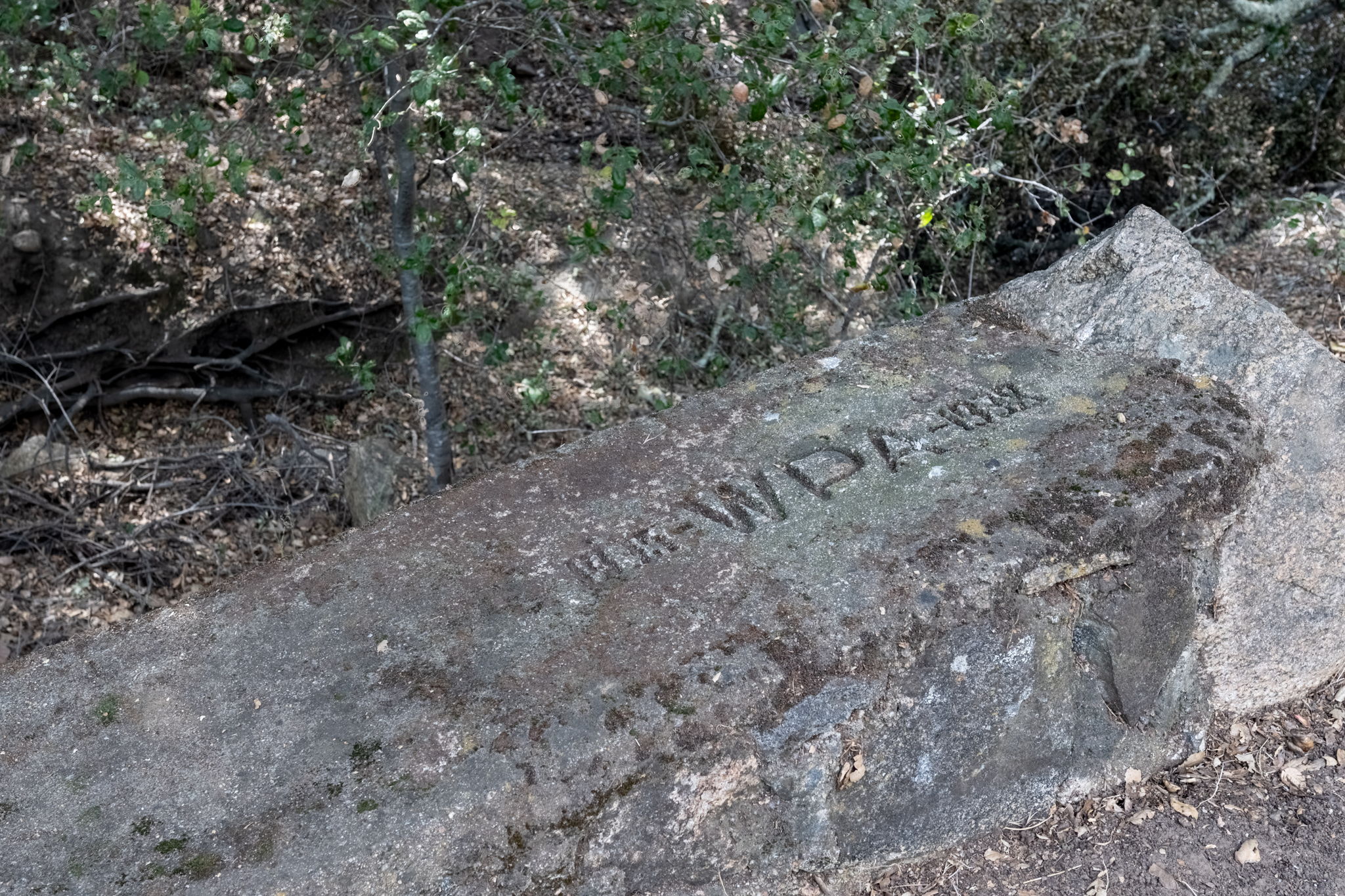
The Forgotten Works Progress Administration Water Crossing That Still Stands Today
Nestled deep in Deerhorn Valley, just east of Jamul, lies a nearly forgotten piece of local history — a rugged stone and concrete water crossing built by the Works Progress Administration (WPA) during the Great Depression.
Most drivers pass through Jamul without ever knowing it exists. It is not prominently marked on maps. It is not surrounded by signage. It does not appear in most guidebooks. Yet nearly a century later, this humble structure remains almost entirely intact — a quiet testament to a transformative era in American infrastructure and the resilience of rural San Diego County.
If you’ve ever wondered:
Are there WPA projects still standing in San Diego County?
What did the WPA build in rural California?
What is the history of Deerhorn Valley in Jamul?
Are there historic landmarks in Jamul, California?
This is one of them.
What Is the Works Progress Administration (WPA)?
The Works Progress Administration was a New Deal agency created in 1935 under President Franklin D. Roosevelt during the Great Depression. Its mission was simple but ambitious: create jobs, build infrastructure, and restore hope.
At its peak, the WPA employed millions of Americans and constructed roads, bridges, schools, parks, public buildings, water crossings, and culverts. Across rural America, these projects became lifelines. In California, and particularly in rural San Diego County, the WPA left a quiet but meaningful footprint.
Why Deerhorn Valley Needed a Water Crossing
To understand the significance of this structure, you must understand Deerhorn Valley itself. Deerhorn Valley is known for rolling hills, seasonal creeks, rural dirt roads, agricultural parcels, and limited high-density development.
Before modern paved roads and engineered culverts, water crossings like this were essential. During seasonal rains, streams swelled. Dirt roads turned to mud. Travel became difficult or impossible. This crossing allowed farmers to move livestock, ranchers to transport goods, families to reach town, and early automobiles to navigate seasonal runoff. It was not decorative. It was survival infrastructure.
A Quiet Gem in Jamul’s Heartland
As you wind along Deerhorn Valley Road, the landscape unfolds in oak woodlands and golden hills. Tucked among this scenery is the water crossing — simple, sturdy, and unassuming. Constructed of stone and concrete, it reflects the utilitarian craftsmanship common to WPA projects.
It once carried horse-drawn wagons, Model T-era vehicles, agricultural equipment, and community traffic. Today, it stands as a tangible reminder of how infrastructure once shaped daily life in East County San Diego.
Why Is This WPA Landmark Important?
The significance of this landmark lies in what it represents. It is not simply old concrete. It represents federal investment in rural America, employment during economic collapse, community resilience, long-term infrastructure planning, and durable craftsmanship.
In a world where many historical sites are preserved in museums, this one remains embedded in the landscape — functional history.
Frequently Asked Questions About WPA Projects in San Diego County
Are there still WPA structures in San Diego?
Yes. Many WPA-built structures remain throughout San Diego County, including roads, bridges, and park features.
Did the WPA build infrastructure in Jamul?
While not widely documented in tourism materials, WPA projects were constructed in rural East County communities, including areas like Deerhorn Valley.
Why were WPA crossings built instead of bridges?
In rural areas with limited funding and seasonal water flow, water crossings were practical and cost-effective alternatives to full bridge construction.
How long do WPA structures last?
Many WPA projects were built with durability in mind and continue to function nearly a century later.
The WPA and Rural California
The Works Progress Administration did more than create urban parks and civic buildings. In rural California, the impact was profound. Communities with limited tax bases suddenly gained improved roads, safer crossings, employment opportunities, and access to transportation.
In areas like Jamul and Deerhorn Valley, where agricultural viability depended on mobility, these projects were transformative. Infrastructure meant connection. Connection meant economic survival.
Living Link to the Past
Nearly 100 years later, the Deerhorn Valley water crossing remains. Despite environmental wear and evolving transportation needs, it endures. Walking its surface offers a rare experience. You are standing on Depression-era public works, hand-built craftsmanship, community-funded infrastructure — a literal path shaped by history. Few landmarks offer that direct connection.
The Evolution of Transportation in Jamul
Before paved roads connected Jamul to the broader San Diego region, travel was slow and weather-dependent. Transportation in early 20th-century East County included dirt roads, wagon trails, early automobiles, and livestock paths. Seasonal rain dramatically altered mobility. Water crossings ensured continuity during these fluctuations.
Today, smooth asphalt highways and engineered drainage systems have replaced many of these early solutions. But this one remains.
Why Smaller Historical Sites Matter
Major historical sites often dominate attention: missions, courthouses, museums, military installations. Yet rural infrastructure tells an equally important story. Small landmarks like this reveal everyday life, agricultural dependence, community cooperation, and federal-local collaboration. They are footprints of resilience.
Deerhorn Valley: A Landscape Shaped by Water
Much like the broader Jamul basin, Deerhorn Valley’s geography influences settlement patterns. Rolling hills collect rainfall. Seasonal creeks carve paths through the valley. Underground aquifers replenish over time. Water has always shaped where people built and how they moved. The WPA crossing exists because of hydrology.
The Broader Historical Context of the Great Depression
During the Great Depression, unemployment soared, banks failed, and families struggled to survive. The WPA provided both income and dignity through labor. Workers built roads, schools, and community infrastructure. The Deerhorn Valley crossing was not just concrete. It was paychecks, stability, and hope.
Jamul’s Commitment to Preserving Rural Character
Today, Jamul maintains its rural identity through acreage zoning, agricultural preservation, limited density development, and community advocacy. Preserving smaller landmarks aligns with that ethos. History is not only in archives. It is in the landscape.
Why This Landmark Is Not Widely Known
Several factors contribute to its quiet existence: it is located on or near private property, unmarked by major signage, overshadowed by larger historical narratives, and situated in a rural setting with limited tourism infrastructure. Yet for those who appreciate history, its understated presence adds to its authenticity.
How to Respect Rural Historic Sites
If exploring historic areas in Jamul, respect private property boundaries, avoid damaging structures, do not remove materials, and leave the site as you found it. Preservation begins with awareness and respect.
WPA Legacy in East County
Across East County San Diego, WPA-era construction can still be found in park structures, retaining walls, bridges, and rural road features. These projects collectively shaped the region’s growth trajectory. Infrastructure allowed rural communities to remain viable.
The Cultural Importance of Infrastructure
Infrastructure is often invisible until it fails. But historically, it defined opportunity. A simple water crossing could determine whether crops reached market, whether children reached school, and whether families remained isolated. The Deerhorn Valley crossing represents access.
Real Estate and Historical Value
Historic features can influence community identity, buyer interest, preservation awareness, and neighborhood pride. While this crossing may not directly affect property values, it enriches the cultural landscape of Jamul. For buyers drawn to East County’s rural heritage, landmarks like this reinforce the area’s authenticity.
Why It Matters Today
In a fast-paced digital era, physical reminders of resilience ground us. This crossing reminds us that communities endured hardship, federal and local collaboration built opportunity, and rural America shaped its own survival. History does not always come with plaques. Sometimes it is quiet concrete in a valley.
Frequently Asked Questions About Jamul History
Is Jamul historically significant?
Yes. Jamul’s Indigenous heritage, ranching history, and rural infrastructure contribute to its cultural depth.
Are there hidden landmarks in Jamul?
Yes. Beyond widely recognized sites, smaller historical structures exist throughout the region.
Can you visit the WPA crossing?
Accessibility depends on property boundaries and local conditions. Always respect private land and local regulations.
The Value of Memory Lane
Community publications often highlight well-known landmarks. But memory lives in smaller places too. Water crossings. Old barns. Stone walls. Weathered gates. These are threads in the larger fabric.
Preserving Stories Before They Fade
As time passes, undocumented landmarks risk being forgotten. Sharing stories about structures like this preserves awareness, encourages stewardship, strengthens community pride, and educates new generations. History becomes fragile when it goes unspoken.
Final Reflection: A Bridge Between Eras
The Deerhorn Valley WPA water crossing is more than a Depression-era structure. It is a bridge between Indigenous land stewardship, ranching resilience, federal public works, and modern rural living.
Nearly a century later, it remains. Not polished. Not commercialized. Not widely advertised. Just present. And sometimes, that quiet endurance is the most powerful legacy of all.
Check out this article next